IndiaBreaking
Archived — This article has been archived. The information may be outdated.
Ketan Agarwal case: gait analysis test explained
Hindustan Times··1 Jul
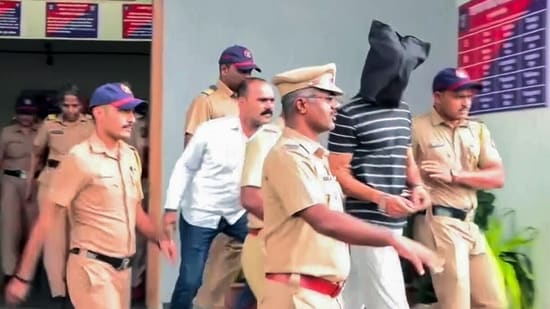
Hindustan Times explained June 30 how gait analysis compares walking patterns from CCTV with suspect footage. Pune police may use the forensic tool in the Ketan Agarwal cliff death case at Lohagad Fort. Co-accused Chetan Chaudhary could undergo testing as investigators reconstruct movements before the June 18 incident. Officials expect further briefings this week. More details may follow soon.
Prism
What It Means For You
- Gait analysis uses CCTV common in malls, metro stations, and tourist forts like Lohagad near Pune.
- Murder probes increasingly combine digital forensics with witness statements in high-profile relationship cases.
- Forensic admissibility standards affect how quickly families receive closure in cliff and fall deaths.
What's Happening
- Hindustan Times explained gait analysis on June 30 in the Ketan Agarwal Lohagad Fort death investigation.
- Pune police may apply the method to co-accused Chetan Chaudhary as they reconstruct June 18 movements.
- The probe includes passport burning inquiries and clothing changes reported after the cliff incident.
Why This Is Different
- UK courts accepted gait analysis evidence in R v Saunders as early as 2008 with expert validation requirements.
- Indian labs increasingly use biomechanics software, but the Delhi High Court has questioned unvalidated forensic claims.
- The Lohagad case follows the 2022 Aaftab Poonawala murder where digital forensics dominated media coverage.
all-newstop-storiesdaily-rounduptrending-now