Business
Archived — This article has been archived. The information may be outdated.
Can Mumbai slum redevelopment model spread to other cities
Economic Times··1 Jul
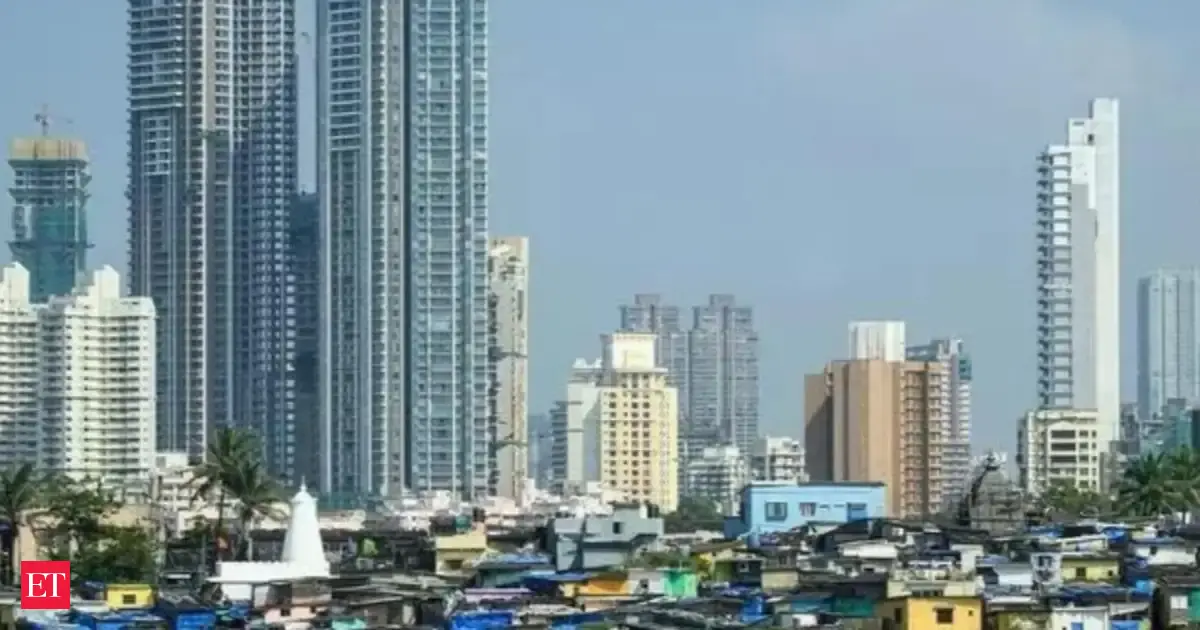
Economic Times reported June 30 on whether tycoons like Adani and Ambani can export Mumbai's slum redevelopment formula to other cities. The piece examines transferable density rights, builder incentives, and rehabilitation timelines that reshaped Dharavi-adjacent pockets. Officials in Pune, Bengaluru, and Hyderabad watch Mumbai's premium recovery rates closely. Officials expect further briefings this week. More details may follow soon.
Prism
What It Means For You
- Slum redevelopment affects rent, commute times, and property tax bases in India's fastest-growing metros.
- Mumbai's Slum Rehabilitation Authority projects house lakhs of families while unlocking premium sale towers nearby.
- If the model spreads, tier-two renters may see new supply but also years of construction disruption.
What's Happening
- Economic Times examined whether Adani and Ambani could replicate Mumbai slum redevelopment economics in other cities.
- The analysis focuses on density bonuses, rehabilitation flats, and developer incentives that funded Mumbai towers.
- Officials in Pune, Bengaluru, and Hyderabad are cited as watching Mumbai's premium recovery rates.
The Bigger Economic Picture
- Dharavi redevelopment plans have been discussed since the 1990s but faced repeated consent and mapping delays.
- Maharashtra's SRA regime grants developers additional FSI in exchange for free rehab units to eligible slum dwellers.
- India's 2022 Economic Survey estimated urban slum populations at roughly 65 million people nationwide.
all-news


