India
Archived — This article has been archived. The information may be outdated.
Harappan artefact alteration raises history concerns
The Wire··15 Jun
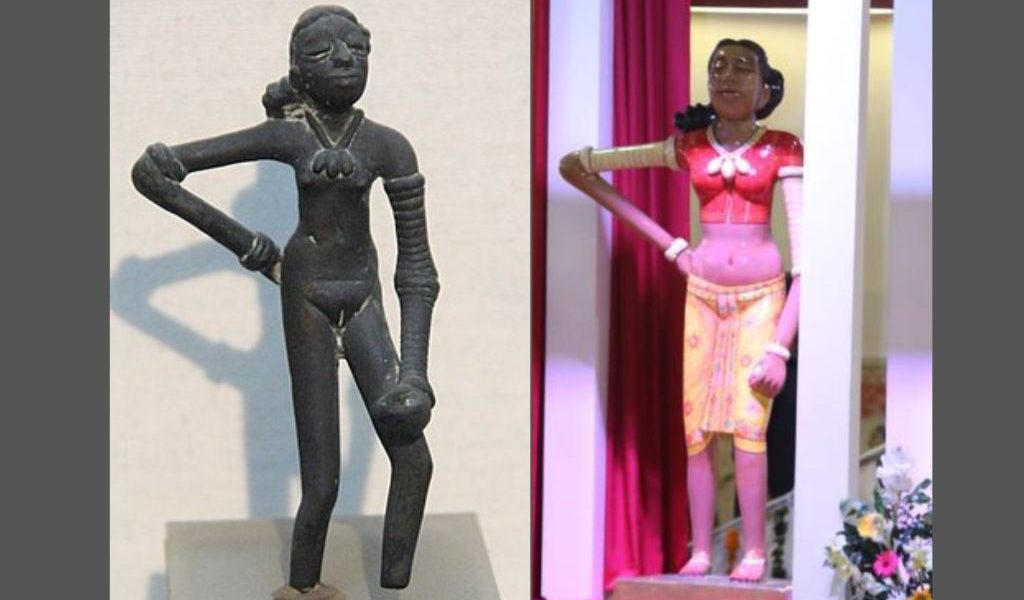
The Dancing Girl is one of the best-known Indus Valley Civilisation artefacts, dated around 2600 BCE and made in bronze. Critics say shading the torso misrepresents the original sculpture and turns an archaeological object into a morality debate.
Prism
What It Means For You
- Textbook images shape how students understand ancient history.
- Altering artefacts can blur the line between education and censorship.
- Historical context can address sensitivity without changing evidence.
What's Happening
- A Class 9 NCERT arts textbook shows the Dancing Girl with shaded torso.
- Critics questioned the alteration of a famous Harappan artefact.
- NCERT's director said the matter was referred to the textbook team.
Artefact Significance
- The Dancing Girl was found at Mohenjodaro and is displayed as a bronze figurine.
- It has appeared in textbooks for decades in its original form.
- The debate follows earlier concerns about whether the image was age-appropriate.
all-newsdaily-roundup