Politics
Archived — This article has been archived. The information may be outdated.
CJP protests draw comparisons to 2011 movement
BBC News··2 Aug
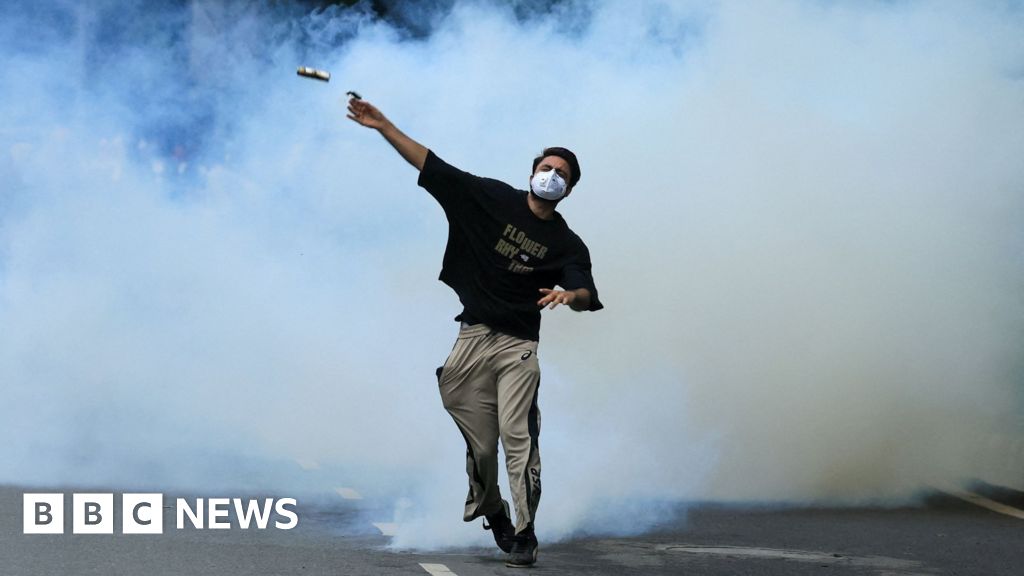
The Cockroach Janta Party's march on parliament, backed by activist Sonam Wangchuk's 26-day hunger strike, became India's biggest student mobilisation in years before Education Minister Dharmendra Pradhan resigned and the group called off its protests. Analysts compare its online-to-street momentum with the 2011 anti-corruption movement, though earlier student movements have also faded after initial surges.
Prism
What It Means For You
- The protests show non-electoral accountability movements can force cabinet-level change outside of election cycles.
- Citizens frustrated with institutional failures now have a recent example of sustained, cross-party mobilisation to reference.
- The movement's cross-caste, cross-class base suggests governance failures can unite groups that usually organise separately.
What's Happening
- The CJP-led protests became India's biggest student mobilisation in years before Education Minister Pradhan resigned.
- Activist Sonam Wangchuk lost 11 kilograms during a 26-day hunger strike supporting the movement.
- The CJP called off its agitation after the government accepted its resignation demand.
A Movement Researchers Call Different From Past Protests
- Researchers say the protest targets administrative failure in exams rather than ideology or a single community's interests.
- That framing makes it harder for the ruling party to deploy the counter-narratives used against earlier movements.
- Analysts remain divided on whether the movement will sustain itself or fade like past student mobilisations.
all-newstop-stories