Politics
Archived — This article has been archived. The information may be outdated.
Column reflects on Modi's offer to forgive protesters
The Wire··5 Aug
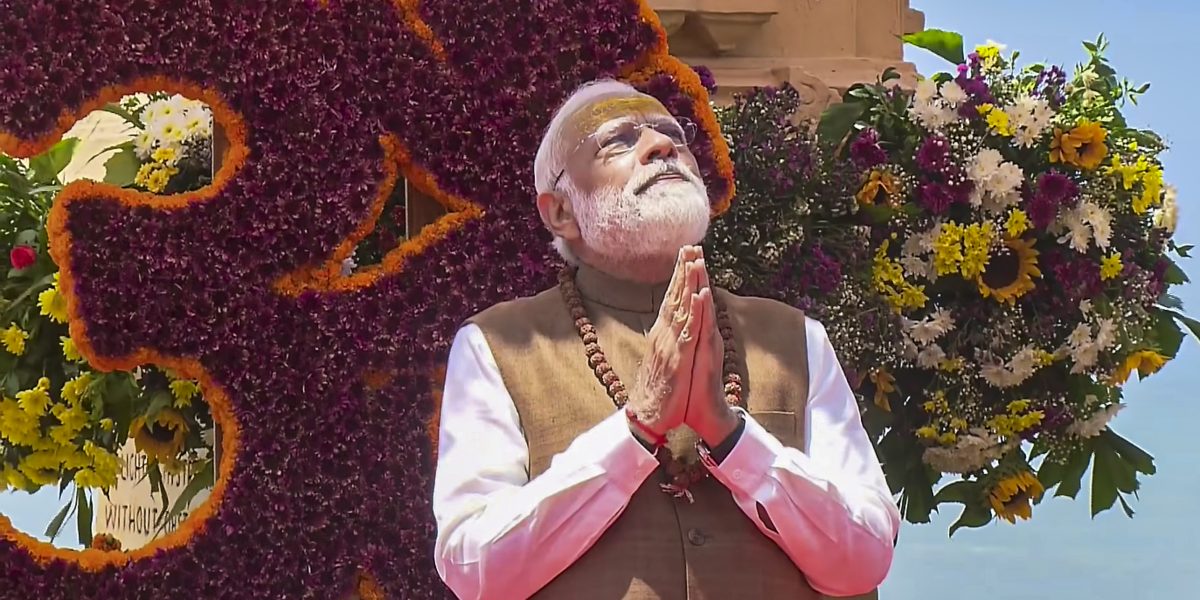
Commentator Badri Raina wrote in The Wire about Prime Minister Narendra Modi's public statement forgiving students who allegedly used abusive language against him. Modi had said some protesters also abused his late mother and called the youth misguided. The essay examines different motives behind public acts of forgiveness. The remarks followed abusive slogans reported during student protests.
Prism
What It Means For You
- Readers following student protest cases can separate a political forgiveness statement from the legal status of pending FIRs.
- Young protesters named in social media cases may still need formal case closure even after a public pardon appeal.
- Anyone studying political rhetoric can examine how forgiveness language is used during periods of street unrest.
What's Happening
- Commentator Badri Raina wrote in The Wire about Prime Minister Narendra Modi's public statement forgiving students who allegedly abused him.
- Modi had said some protesters used abusive language about him and his late mother and that he wanted to forgive the 'misguided' youth.
- The column contrasts forgiveness offered from moral superiority with forgiveness rooted in recognising one's own need for mercy.
What Public Forgiveness Changes and What It Does Not
- Modi's statement came amid police cases against youth protesters for allegedly objectionable social media posts during the student agitation.
- Opposition leaders argued that forgiveness rhetoric does not substitute for accountability on exam leaks and education failures.
- Opinion columns interpret political gestures; they are not official policy documents or court orders.
all-newstop-storiestrending-now