Education & Career
Archived — This article has been archived. The information may be outdated.
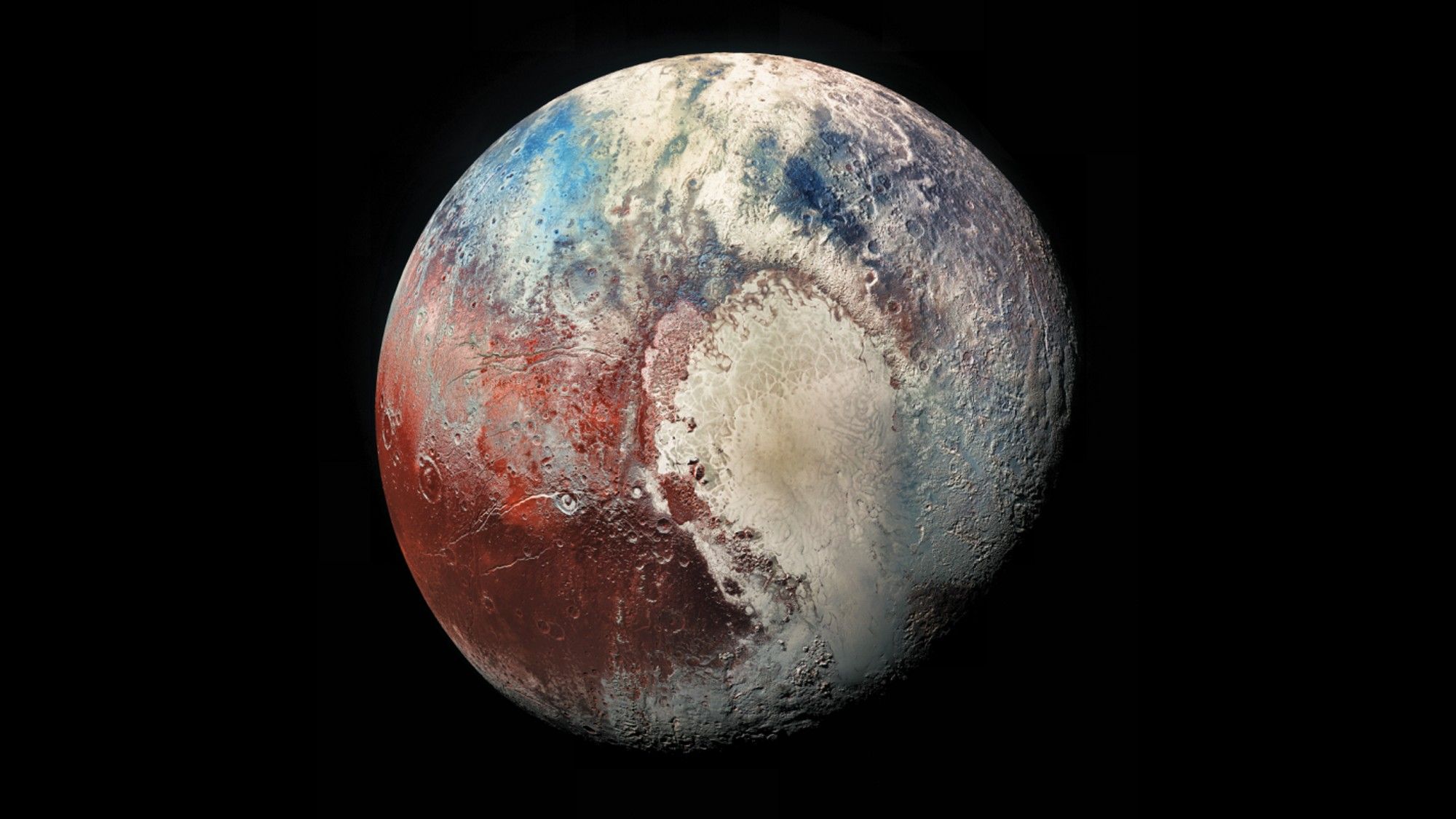
Twenty Years Ago, Pluto Lost Its Status As A Planet
Space.com··25 Aug
On August 24, 2006, the International Astronomical Union voted to reclassify Pluto as a dwarf planet, ending its run as the ninth planet. The move followed the discovery of Eris, a similarly sized Kuiper Belt object, forcing astronomers to define what counts as a planet. The new definition required a body to clear its orbital neighbourhood, a criterion Pluto fails.
Prism
What It Means For You
- If you studied astronomy before 2006, this anniversary explains why textbooks and classroom charts changed the number of planets you may have memorised.
- Students today can use Pluto's story to understand how scientific classification evolves as new evidence, like Eris's discovery, emerges.
- It is a useful example for teachers explaining that science definitions are not fixed forever but adapt to new discoveries.
What's Happening
- On August 24, 2006, the International Astronomical Union reclassified Pluto as a dwarf planet, ending its status as the ninth planet.
- The decision came after astronomers discovered Eris, an object in the Kuiper Belt of similar size to Pluto.
- The IAU's new definition requires a planet to clear its orbital neighbourhood of debris, a test Pluto fails.
How Science Definitions Change Over Time
- Pluto was discovered in 1930 by Clyde Tombaugh and was considered the solar system's ninth planet for 76 years before reclassification.
- The Kuiper Belt, where Pluto and Eris orbit, contains many icy bodies that astronomers continue to study for insights into the solar system's formation.
- NASA's New Horizons spacecraft, launched in 2006 before the reclassification, later completed the first close flyby of Pluto in 2015.
all-news