Technology
Archived — This article has been archived. The information may be outdated.
Rubin Observatory camera captures 500,000 galaxies
PetaPixel··3 Aug
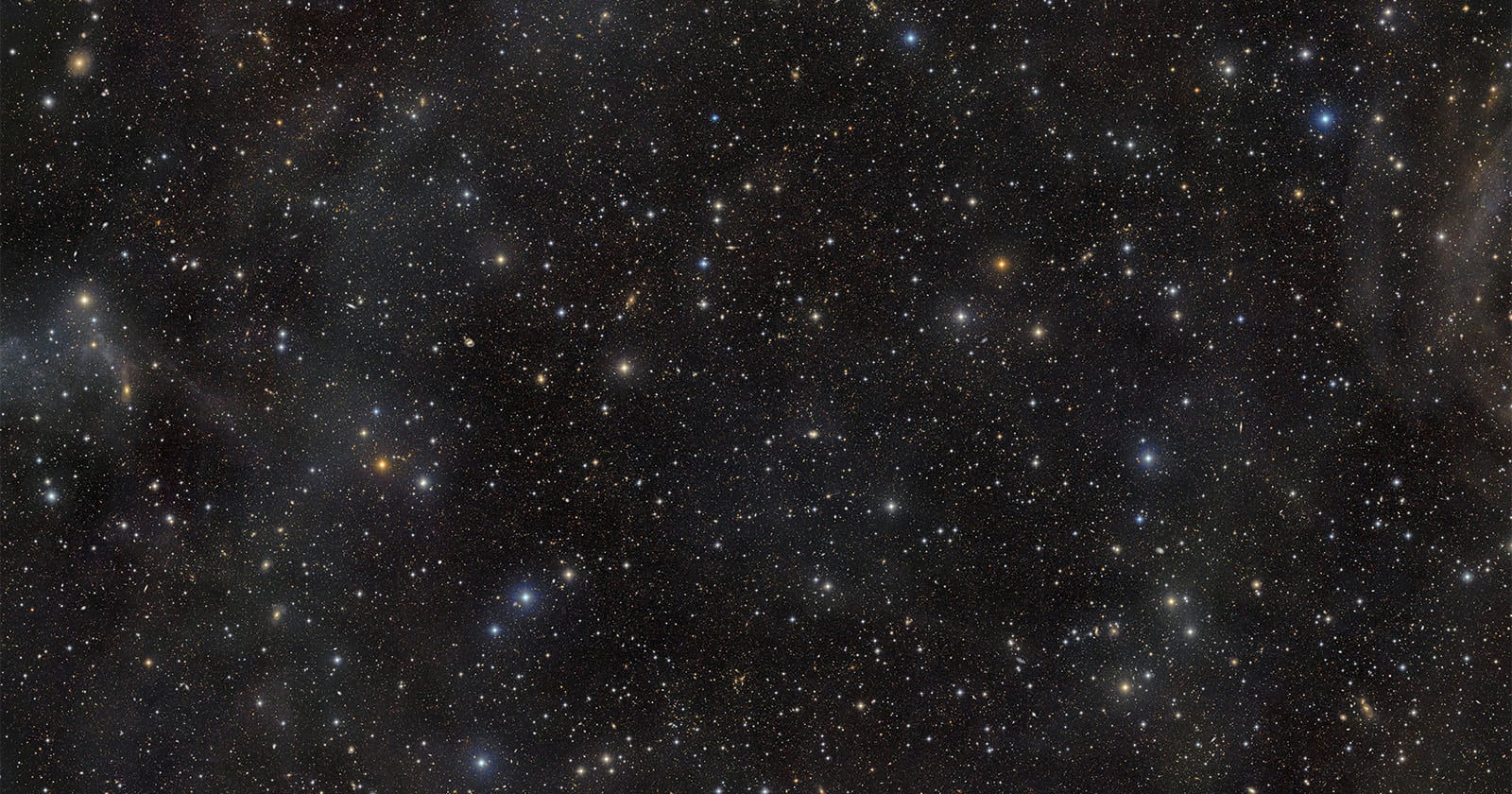
The NSF-DOE Vera C. Rubin Observatory released a new image of the COSMOS field taken by its 3.2 gigapixel LSST Camera, the world's largest digital camera. Built from 189 CCDs and mounted on an 8.4 meter telescope, the camera stacked hundreds of exposures to reveal more than half a million galaxies in a well studied patch of sky.
Prism
What It Means For You
- Space enthusiasts and stargazers get access to one of the most detailed public images of deep space ever released, showing over half a million galaxies in one frame.
- Students studying astronomy gain a real world example of how a single telescope image can contain more galaxies than the eye could ever count.
- Anyone curious about how the universe changes over time can follow Rubin's decade long survey as it revisits this same patch of sky repeatedly.
What's Happening
- The Vera C. Rubin Observatory released a new image of the COSMOS field captured by its 3.2 gigapixel LSST Camera, the largest digital camera in the world.
- The image, built by stacking hundreds of individual observations, features more than half a million galaxies within a single patch of sky.
- The camera, weighing about 6,600 pounds, is mounted on the 8.4 meter Simonyi Survey Telescope and has just begun its ten year primary mission.
Why COSMOS Became Astronomy's Favorite Sky Patch
- The COSMOS field was chosen because the Hubble Space Telescope studied the same patch of sky from 2003 to 2005, identifying more than two million galaxies of varying types and ages.
- Rubin's LSST Camera will image COSMOS repeatedly over its decade long survey, adding new data on how galaxies and other cosmic objects evolve over time.
- The camera comprises 189 individual CCDs arranged on a single sensor and is mounted on the 8.4 meter Simonyi Survey Telescope in Chile.
all-newseditors-picks