World
Archived — This article has been archived. The information may be outdated.
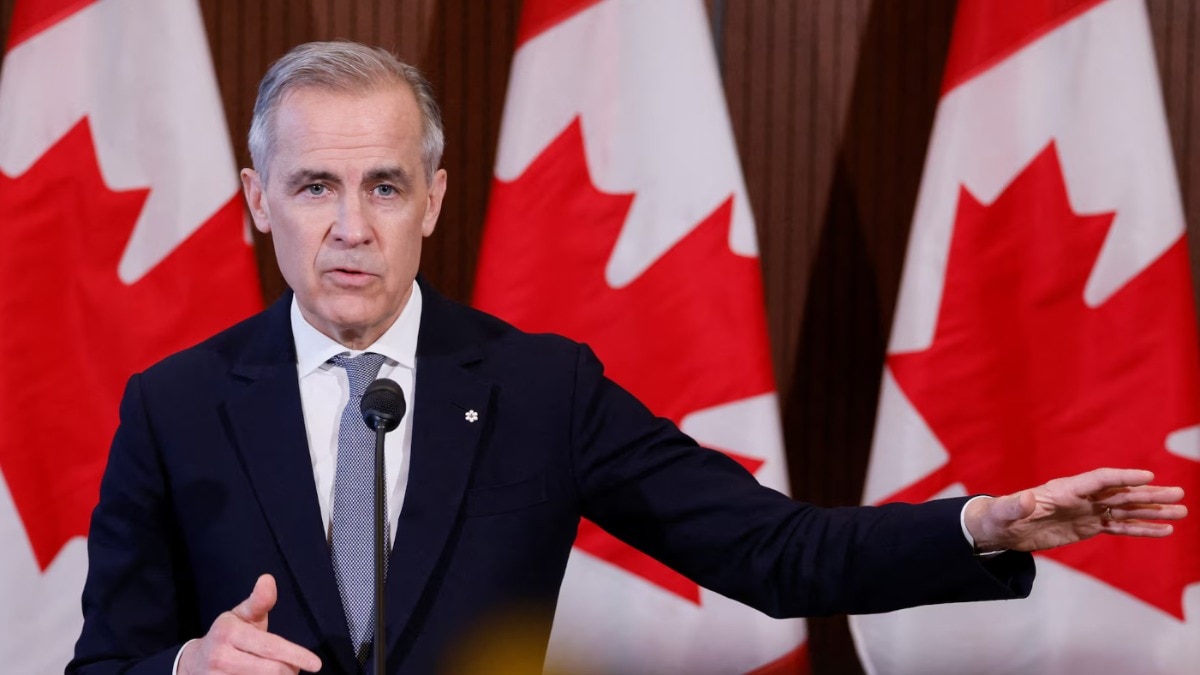
Carney announces retaliatory tariffs on US goods
India Today··24 Aug
Canadian Prime Minister Mark Carney announced dollar-for-dollar retaliatory tariffs on American goods, effective September 8, after President Donald Trump imposed 50 percent levies on roughly 20 billion dollars worth of Canadian exports. In a 22-minute address, Carney said, You're at war when you're attacked, and we got attacked, describing the tariffs as a response to unprovoked economic pressure.
Prism
What It Means For You
- Prices for goods that rely on US-Canada supply chains, including autos and metals, could rise for consumers in both countries as tariffs take hold.
- Anyone with exposure to North American manufacturing or export businesses should watch for supply chain disruptions once the new duties begin on September 8.
- The dispute is a reminder of how quickly trade relations between even close allies can escalate when tariffs are used as leverage.
What's Happening
- Mark Carney announced dollar-for-dollar retaliatory tariffs on US goods, effective September 8, after Trump imposed 50 percent tariffs on Canadian exports.
- In a 22-minute address, Carney said Canada had been attacked and was responding accordingly, framing the move as self-defence rather than aggression.
- He said Ottawa had been willing to drop existing counter-tariffs on US aluminum, steel and vehicles if Washington had reduced its own levies first.
How US-Canada Trade Reached This Breaking Point
- The US and Canada share one of the world's largest bilateral trading relationships, making tariffs on either side unusually costly for both economies.
- Trump's 50 percent tariffs targeted roughly 20 billion dollars worth of Canadian goods, escalating a dispute that had simmered for months.
- Carney's government had earlier maintained counter-tariffs specifically on aluminum, steel and motor vehicles, sectors central to cross-border manufacturing supply chains.
all-newstop-stories