PoliticsBreaking
Archived — This article has been archived. The information may be outdated.
Former judge Reddy to head CJP Parliament march inquiry
Times of India··21 Aug
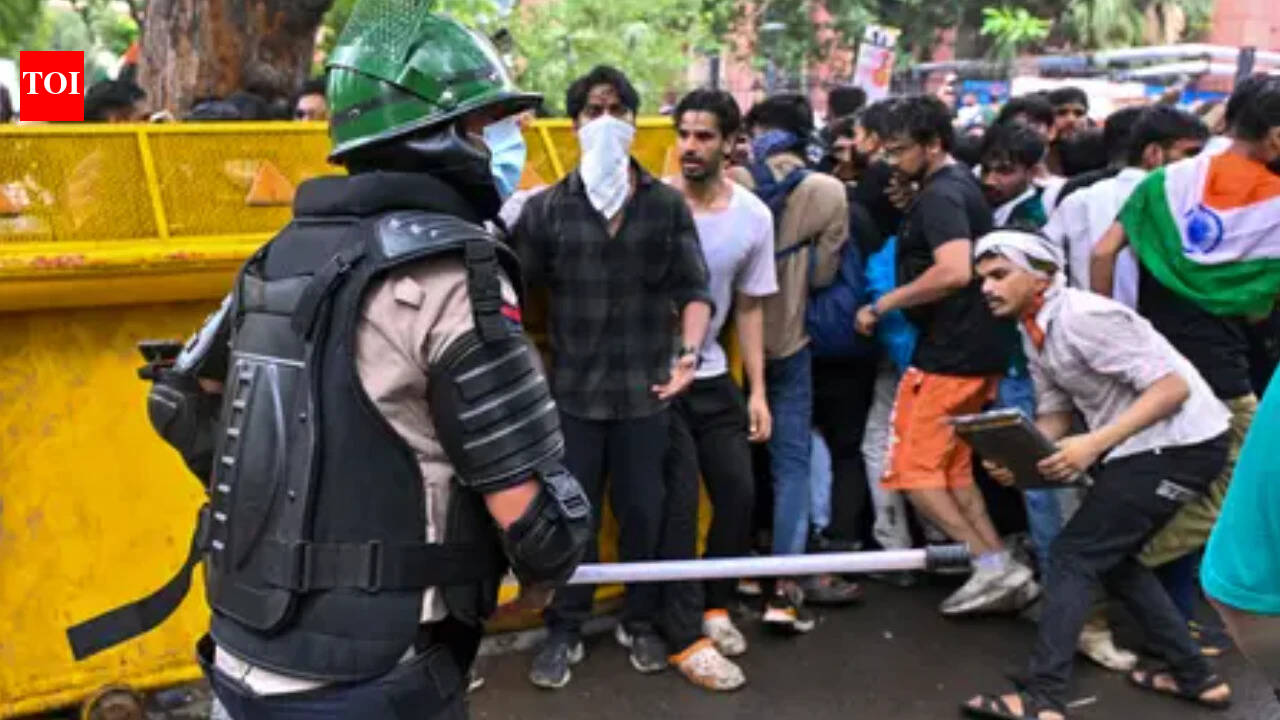
On 20 August 2026 the Supreme Court made public an order constituting a five-member High-Powered Enquiry Committee led by former judge R Subhash Reddy to probe the 20 July Cockroach Janta Party march toward Parliament. Members are former judges Ravi S Jha and Shalinder Kaur, former CBI director Rishi Kumar Shukla and former Meghalaya DGP LR Bishnoi.
Prism
What It Means For You
- If you were on the 20 July march, the named inquiry chair is former Supreme Court judge Subhash Reddy, not an SIT or CBI team, which is what some petitions had asked for.
- Anyone tracking female-protester complaints can note the court listed those allegations as the first priority for an interim report.
- If you follow sedition-adjacent charging, the Bench asked the panel to look at Section 152 even while other cases challenging that section are still pending.
What's Happening
- The order, dated 18 August, was uploaded on 20 August. The committee's tenure is open-ended with periodic interim findings.
- Petitions before the court had sought an SIT or CBI probe into alleged police excesses at Jantar Mantar and other sites.
- Police attributed violence to criminal elements who, they said, infiltrated student ranks; protesters alleged lathi and teargas use toward Parliament.
What The Five-Member Panel Has Been Asked To Examine
- CJP's 20 July attempt to march to Parliament followed weeks of student protest over alleged NEET and other paper leaks.
- Section 152 BNS is the successor to IPC 124A (sedition). The court wants safeguards so it is not used against protected speech and assembly.
- Interim compensation for injured police and protesters is also on the list, along with whether existing force rules were breached.
all-newstop-storiestrending-now