Business
Archived — This article has been archived. The information may be outdated.
Kejriwal links sugar price rise to ethanol blending policy
The Statesman··21 Aug
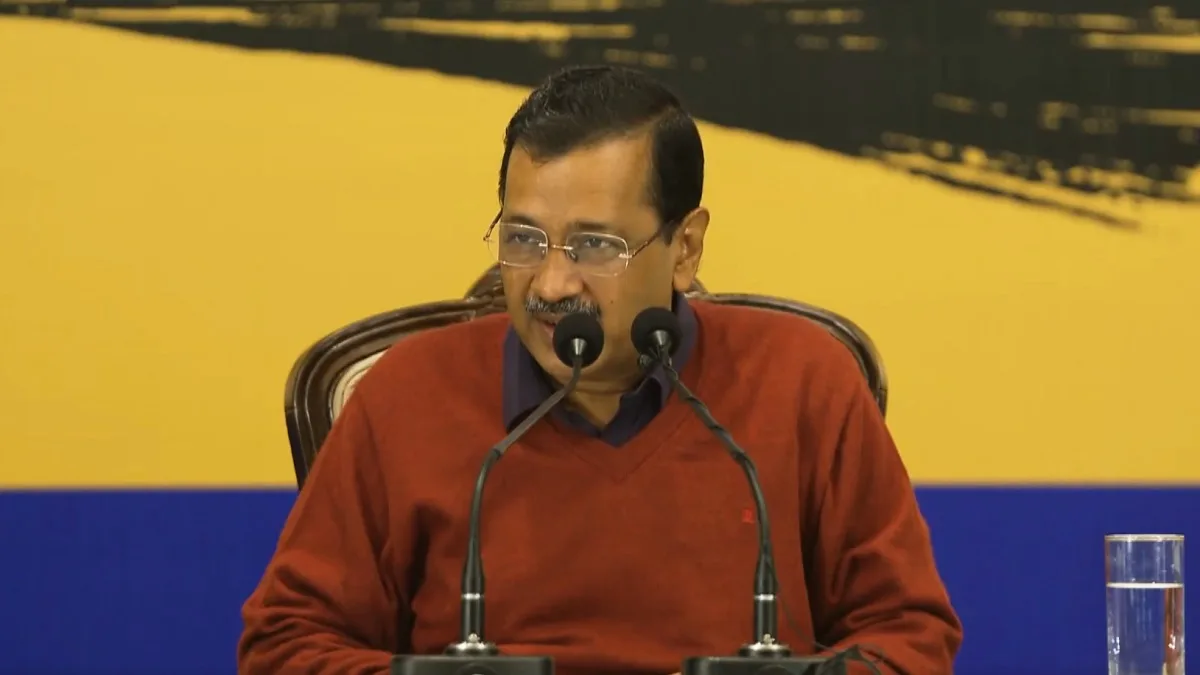
On 20 August 2026, Aam Aadmi Party convenor Arvind Kejriwal said sugar that sold at Rs 46 a kilogram 17 days earlier was now Rs 65. He linked the jump to diversion of sugarcane for ethanol under the Centre's blending programme. He said India may now import sugar after trying to save foreign exchange on crude.
Prism
What It Means For You
- If you buy sugar for home or a sweet shop, Kejriwal's cited band is Rs 46 to Rs 65 a kilogram over 17 days; other market reports also say prices are at a record before festivals.
- Anyone filling E20 petrol can note Kejriwal is tying that fuel policy to the same cane that would otherwise become sugar.
- If you run a mill or deal in sugar, reports say New Delhi is looking at tighter cane-to-ethanol rules and has already banned exports and capped dealer stocks.
What's Happening
- Kejriwal accused the Centre of creating a sugar shortage by sending cane to distilleries and then considering sugar imports.
- The government has not issued a point-by-point rebuttal in these reports; policy sources described possible curbs on juice and B-heavy molasses ethanol.
- India's E20 target is the stated reason mills have been pulling more fermentable sugar into fuel.
How Cane Becomes Either Sugar Or Ethanol
- C-heavy molasses is what remains after most sugar is crystallised. B-heavy molasses and cane juice still hold more sugar, so using them for ethanol cuts sugar output more sharply.
- E20 means petrol blended with 20 percent ethanol. The programme is meant to cut crude imports; this season it is colliding with kitchen prices.
- India has usually been a sugar exporter. Importing the same commodity would spend the foreign exchange the ethanol policy was meant to save.
all-newseditors-picks


