PoliticsBreaking
Archived — This article has been archived. The information may be outdated.
CJI may intervene on metro court access
LiveLaw··23 Jul
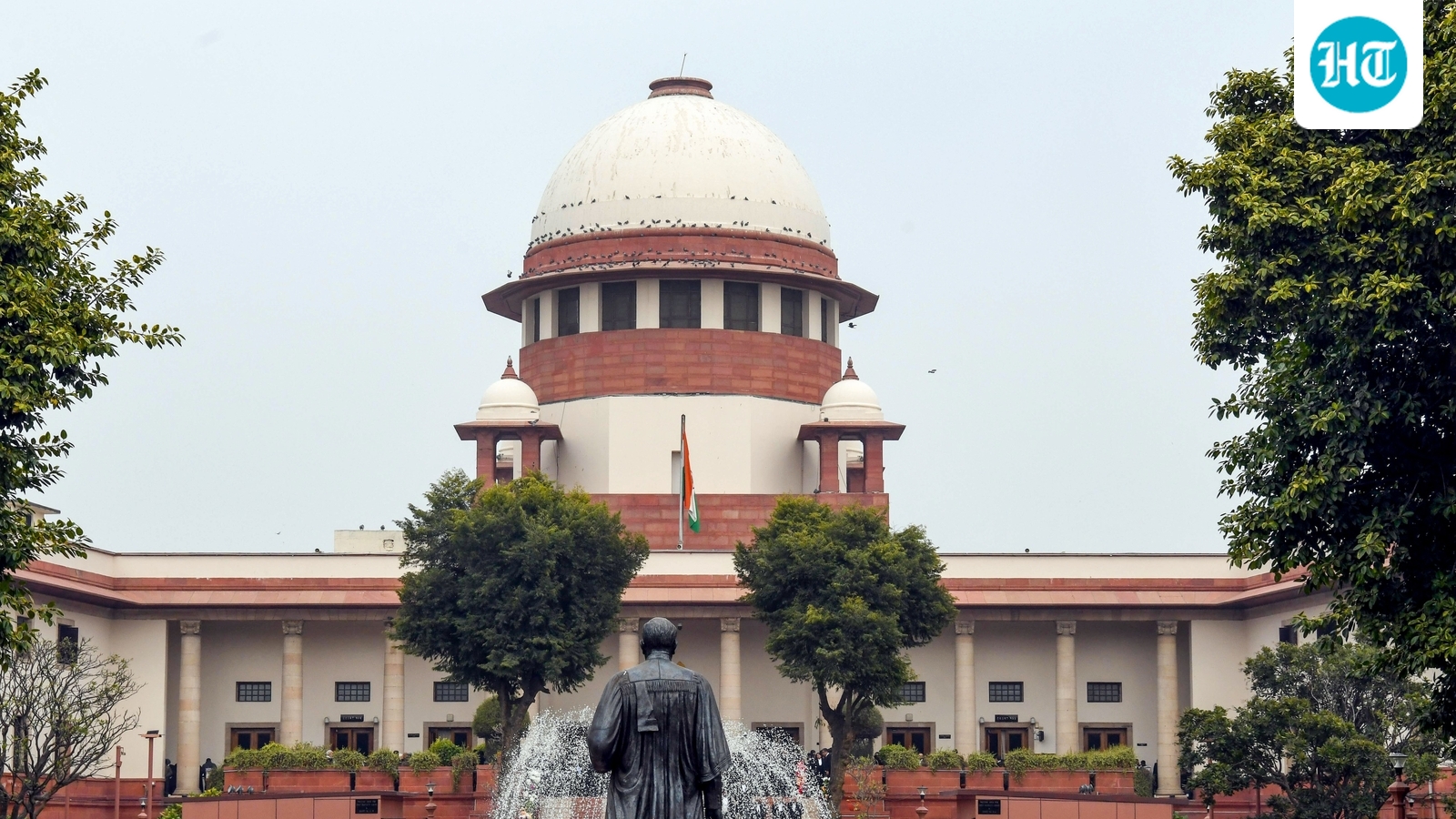
SCBA president Vikas Singh on July 23 raised Delhi Metro's closure of the Supreme Court station before Chief Justice Surya Kant during student protests. Singh asked that lawyers, litigants and registry staff with valid passes be allowed to exit after screening at the station. The CJI said he would intervene by lunchtime if authorities failed to resolve access.
Prism
What It Means For You
- Lawyers and litigants with Supreme Court passes may regain metro access if screening at the station resumes.
- Court staff were told no adverse orders would be passed solely because advocates could not appear.
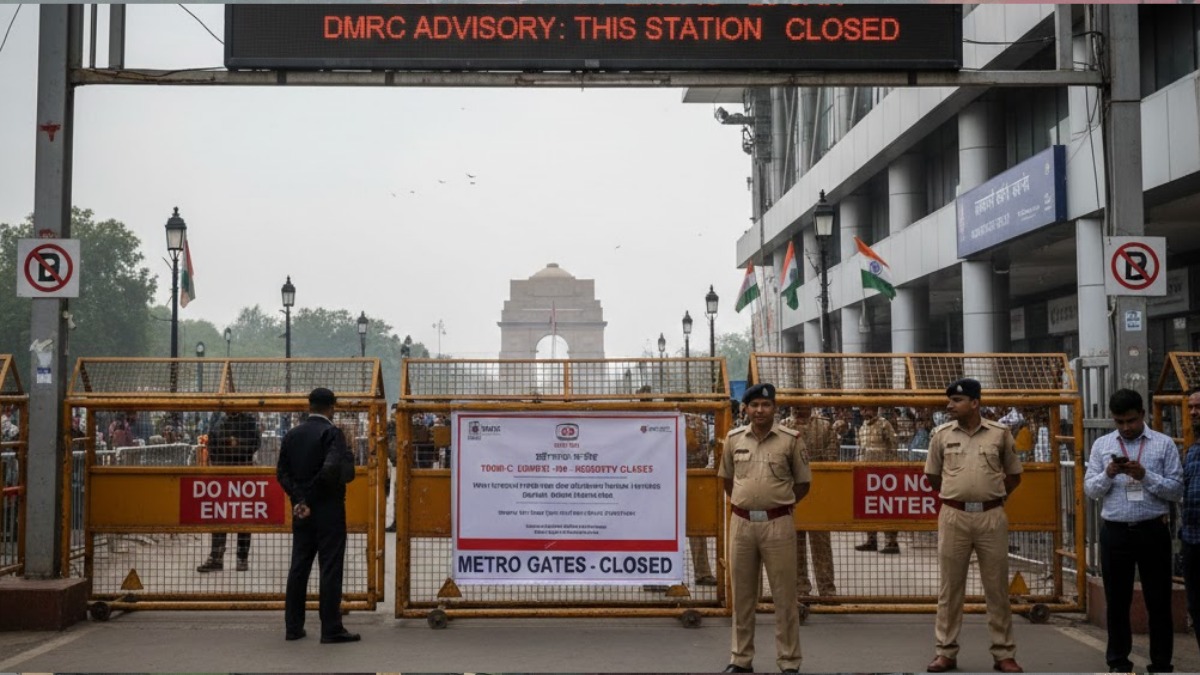
- Delhi commuters should check DMRC updates as 16 stations stayed shut amid student protests.
What's Happening
- SCBA president Vikas Singh on July 23 raised Delhi Metro's closure of the Supreme Court station before CJI Surya Kant.
- Singh asked that lawyers, litigants and registry staff with valid passes be allowed entry after security screening.
- The CJI said he would intervene by lunchtime if metro authorities did not resolve the access issue.
Metro Closure Reaches The Apex Court
- DMRC shut 16 stations including the Supreme Court stop until further orders on July 23 morning.
- The CJI issued a circular that no adverse orders be passed due to lawyers' absence.
- Closures followed CJP protests and the July 20 march toward Parliament that ended in police action.
all-newstop-stories