EnvironmentBreaking
Archived — This article has been archived. The information may be outdated.
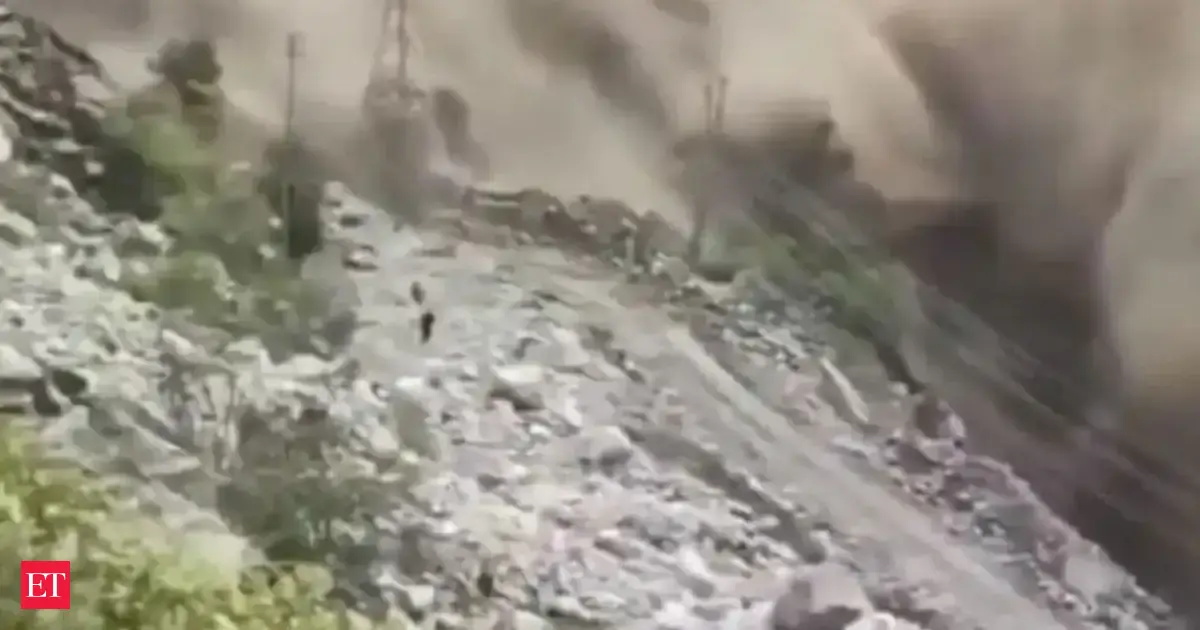
Nepal disaster renews Himalayan climate change debate
The Economic Times··27 Aug
Scientists say the Nepal flash flood disaster shows how climate change is intensifying risks in the Himalayas. Similar disasters have struck Kedarnath, Rishiganga and Dharali in Uttarakhand. Wadia Institute scientist Manish Mehta said rising temperatures are causing glacial retreat, leaving loose debris that can slide during heavy rainfall. Shifting rainfall patterns and rising nighttime temperatures are accelerating snowmelt, he said.
Prism
What It Means For You
- Residents of Himalayan flood-prone districts get another expert warning that glacial retreat is raising landslide and flood risk.
- Policymakers reviewing disaster preparedness get a scientific link between Kedarnath, Dharali and now Nepal's flash floods.
- Trekkers and pilgrims in high-altitude regions face growing risk from sudden debris-laden floods tied to shifting rainfall patterns.
What's Happening
- Mehta said retreating glaciers leave large amounts of loose debris that can slide downslope during heavy rainfall or snowmelt.
- He said regions that once saw mainly snowfall are now witnessing more rainfall events at higher elevations.
- Mehta said rising nighttime temperatures mean snow and glacier melt can now continue after dark, not only in daytime.
How Himalayan Glacial Retreat Fuels Flash Floods
- Mehta has previously studied the causes of disasters at Kedarnath, Rishiganga and Dharali in Uttarakhand.
- Landslides and debris flows are not new to the young, geologically active Himalayan range, scientists say.
- Mehta said the exact cause of any single disaster can only be confirmed through scientific investigation.
all-news