Education & Career
Archived — This article has been archived. The information may be outdated.
NITI Aayog Flags Job Gaps For India's Youth
The Quint··26 Aug
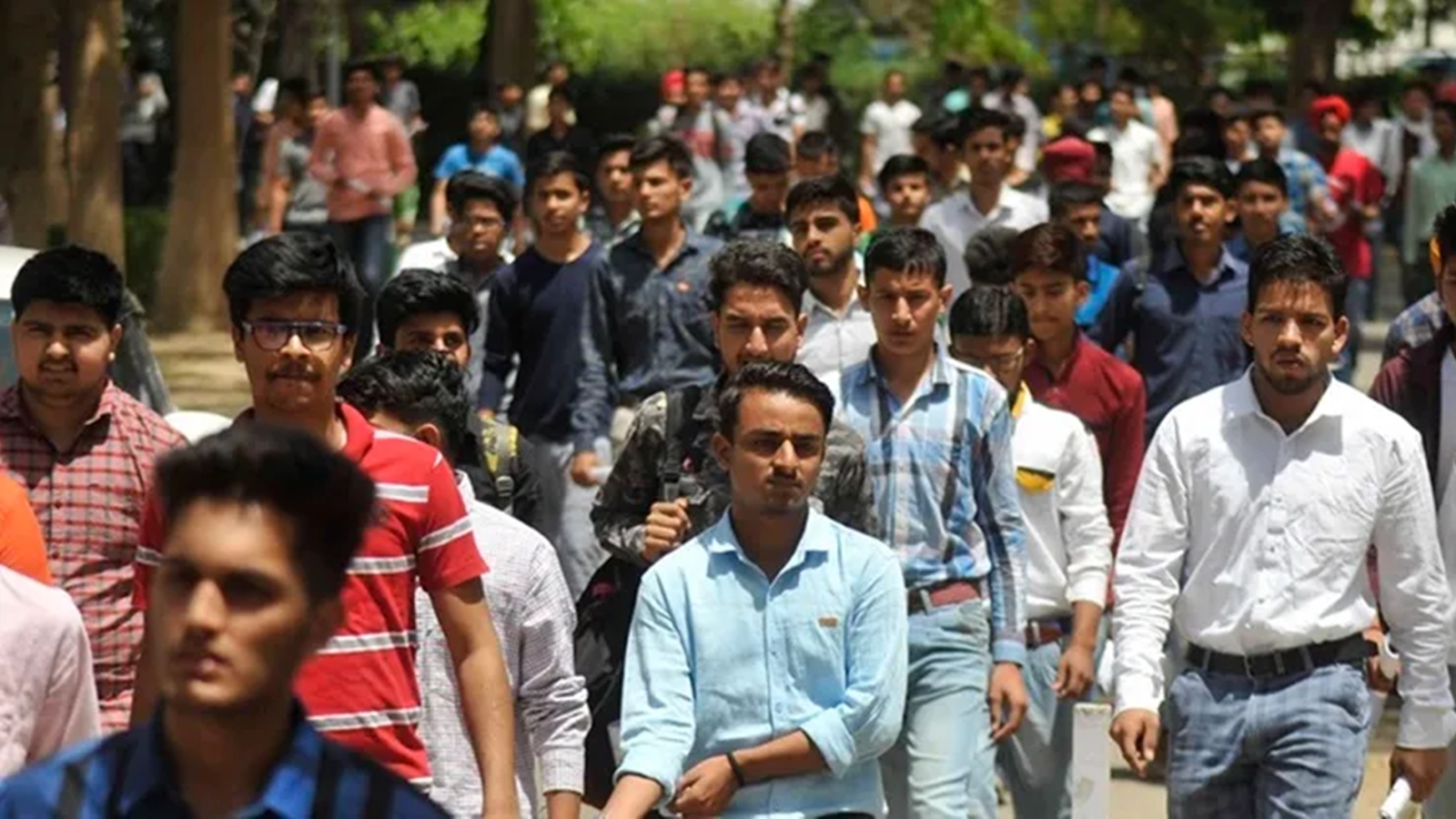
A NITI Aayog report found only 8.25 percent of Indian graduates work in jobs matching their qualifications, with over 90 percent employed outside their field of study. Separately, 2025 labour data shows a quarter of Indians aged 15-29 are not in employment, education or training, with nearly 48 percent of young women in that category, largely due to unpaid housework.
Prism
What It Means For You
- If you're a graduate in a role unrelated to your degree, this data shows you're part of a 90 percent majority, not an exception, in India's job market.
- Young women outside the workforce should know the data attributes this largely to unpaid housework and social constraints, not a shortage of skills or training.
- Job seekers can use this to weigh whether specialised, job-linked courses in sectors like green industries or EVs might offer better placement odds than generic degrees.
What's Happening
- NITI Aayog's 'Reimagining Skilling for Viksit Bharat' report found only 8.25 percent of graduates work in roles matching their qualifications, citing outdated curricula misaligned with industry needs.
- It found graduate unemployment at 13 percent, and 20.4 percent among graduate women, both far above India's 3.2 percent national unemployment rate.
- Separate 2025 labour survey data shows 25 percent of 15-29 year-olds are NEET, with the share falling to 8 percent for young men but staying near 48 percent for women.
Why Skilling Alone Won't Fix The Youth Job Crisis
- A 2024 skill ministry study found 50 percent of ITI graduates were unemployed, up from 36.5 percent in 2018, suggesting India may already be over-training for jobs that don't exist.
- CMIE's stricter employment count shows less than 10 percent of Indian women of working age are currently employed, with 86 percent neither working nor seeking work.
- NITI Aayog recommends specialised, job-linked programmes and stronger apprenticeships in high-growth sectors as an alternative to generic BA, B.Sc and B.Com degrees.
all-news