India
Archived — This article has been archived. The information may be outdated.
Film says Sirsa intercept preceded BrahMos wave
CNBC TV18··17 Aug
A Discovery series aired on 15 August said Pakistan launched a high-speed missile toward Delhi about 71 hours into the May 2025 standoff. Analyst Nitin Gokhale said it was intercepted over Sirsa around 1.30 am on 10 May. The Defence Ministry had described attacks on air bases that night, without naming Delhi as a target.
Prism
What It Means For You
- If you live in Delhi-NCR, the Discovery series says a high-speed Pakistani missile on 10 May 2025 was aimed at the capital and stopped over Sirsa.
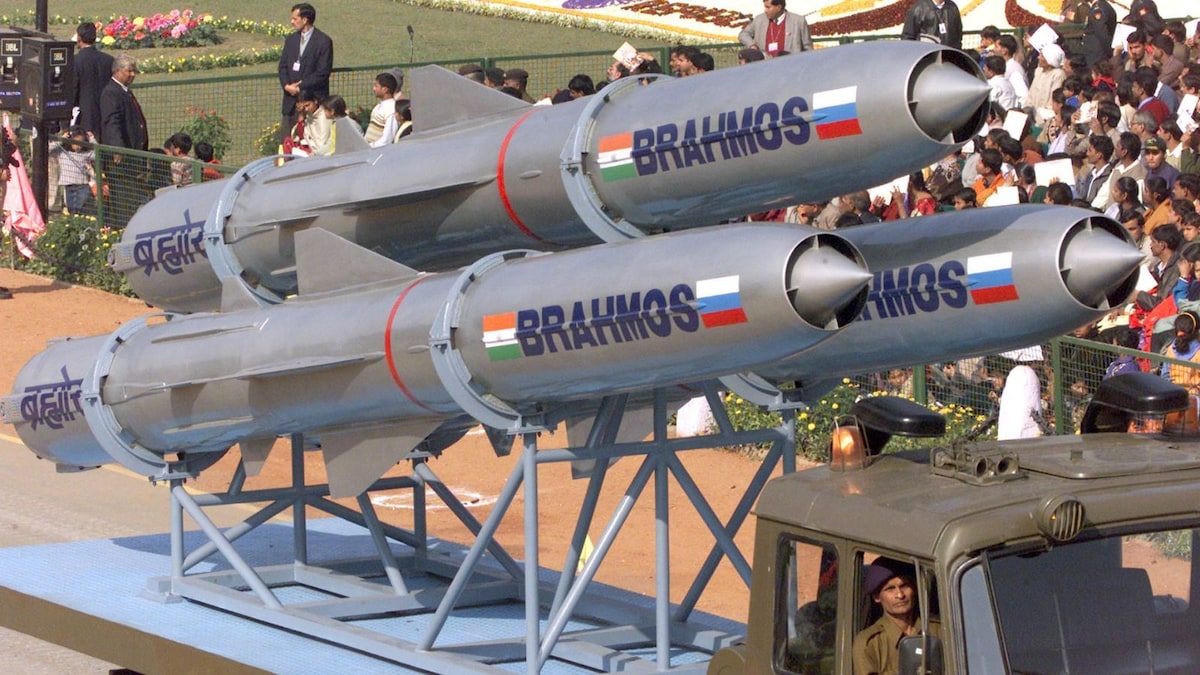
- Viewers placing Operation Sindoor on a timeline can put the intercept around 1.30 am, before the BrahMos wave officers said hit 11 Pakistani air bases.
- Anyone who saw debris videos from Sirsa fields in May 2025 can match them with Gokhale's on-camera timing of 1.30 or 1.45 am.
What's Happening
- Declassified: Operation Sindoor aired on Discovery on 15 August 2026 and restated the 10 May 2025 night of the India-Pakistan standoff.
- Nitin Gokhale said Pakistan launched a high-speed missile aimed at Delhi, intercepted at Sirsa, Haryana.
- The documentary said that intercept triggered India's final BrahMos strikes, after which DGMOs agreed a ceasefire around 5.30 pm.
What The Defence Ministry Said Then
- The Ministry of Defence had said Pakistan used missiles, drones, rockets and other long-range weapons against air bases, depots, airports and cantonments, without listing Delhi as a named target.
- Air Chief Marshal AP Singh said India engaged across almost 1200 km and about 200 km inside Pakistani territory.
- Pakistan's DGMO later asked to halt firing after the BrahMos wave, and a ceasefire was recorded around 5.30 pm on 10 May 2025.
all-newstop-storiestrending-now