India
Archived — This article has been archived. The information may be outdated.
Court can try six 26/11 accused in their absence
Firstpost··18 Aug
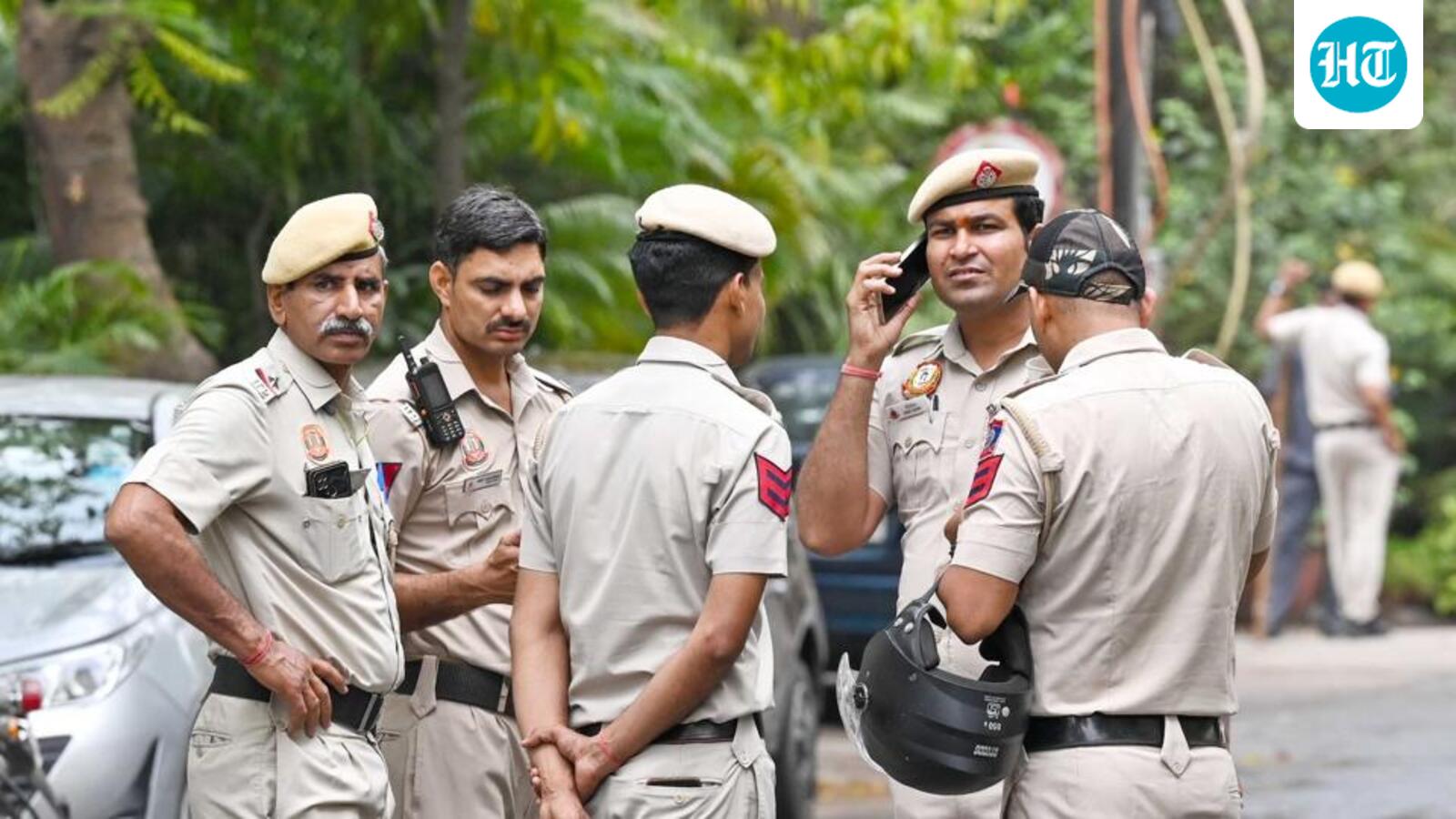
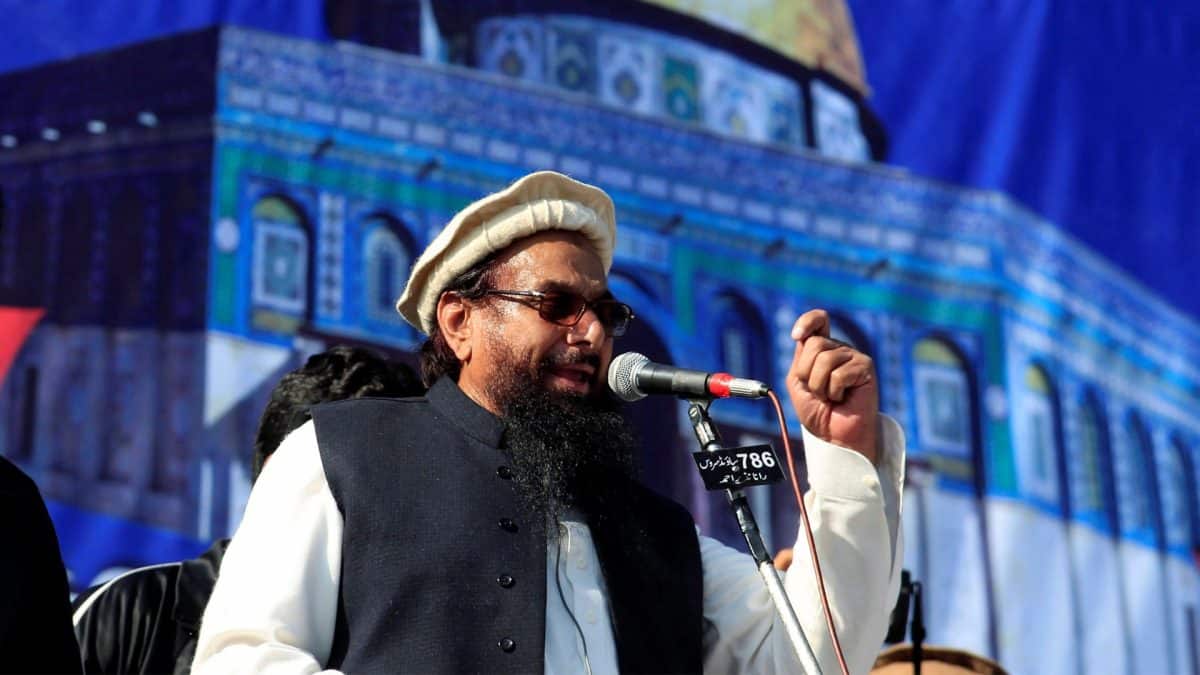
Mumbai Police and prosecutors have begun trial-in-absentia steps against six Pakistani accused in the 26 November 2008 attacks, including Hafiz Saeed and Zaki-ur-Rehman Lakhvi. Special Judge S.R. Navander issued proclamations requiring them to appear by 18 August. Commissioner Deven Bharti wrote to special public prosecutor Ujjwal Nikam to use Section 356 of the BNSS. The six did not appear.
Prism
What It Means For You
- If you follow the 26/11 cases, the special court has used the new criminal procedure code to proceed against six accused who are not in India.
- Anyone tracking extradition can note Interpol notices already exist, and the 18 August appearance deadline passed without the six attending.
- If you want the legal change in one line, Section 356 now allows a full trial of a proclaimed offender in their absence.
What's Happening
- Prosecutors moved a Mumbai special court to try six Pakistan-based 26/11 accused in absentia under Section 356 of the BNSS.
- Judge Navander issued proclamations directing them to appear by 18 August 2026.
- Police Commissioner Bharti asked prosecutor Nikam to use the new provision so absence does not stall the case.
How Trial In Absentia Changed After 2024
- The BNSS took effect on 1 July 2024, replacing the Code of Criminal Procedure, 1973.
- Old Section 299 allowed courts only to record evidence for later use, not to convict in the accused's absence.
- The six include LeT founder Saeed, operational commander Lakhvi, handler Sajid Mir and three other alleged control-room or military-linked accused.
all-newsdaily-roundup