World
Archived — This article has been archived. The information may be outdated.
Iran reports no progress on interim US deal
Reuters··13 Aug
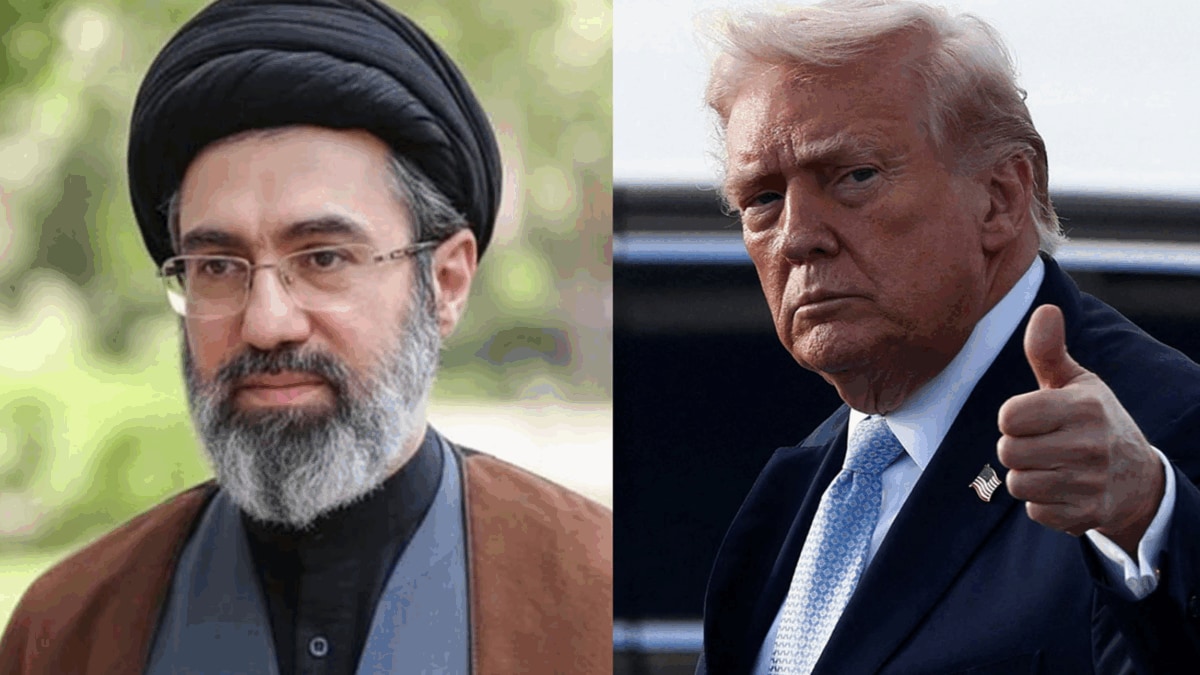
A senior Iranian source said on August 12 that mediators made no progress returning the United States to the June interim deal or defining an implementation timeframe. That pact declared an immediate end to military operations but later unravelled. Washington cites Iran failing to reopen the Strait of Hormuz; Tehran cites a port blockade and frozen assets.
Prism
What It Means For You
- If you track energy prices, stalled Hormuz and port terms keep Persian Gulf shipping risk in focus for fuel and freight costs.
- Readers following sanctions policy can note Iran still ties any restart to lifting a port blockade and releasing frozen assets.
- Anyone watching nuclear diplomacy can treat the dismissed sixty day extension claim as a reminder that timelines remain contested.
What's Happening
- On August 12 a senior Iranian source said mediators had made no progress returning the US to the June interim deal or setting an implementation timeframe.
- The US blames Iran for not reopening the Strait of Hormuz; Iran blames the US for not lifting a port blockade or releasing frozen assets.
- Iran rejected an Anadolu report citing Pakistani sources on a sixty day extension, saying no period began and the US withdrew days after alleged early breaches.
Why Interim Gulf Deals Unravel Quickly
- The June interim deal paired an immediate halt to military operations with a sixty day clock toward a broader nuclear and sanctions settlement.
- Interim arrangements often fail when verification of shipping access and financial releases lag behind political announcements.
- Mediator tracks through third countries can stall when both sides treat alleged forty eight hour breaches as proof the other never intended compliance.
all-newstop-storiestrending-now