India
GSLV-F18 lifts NVS-03 on 24-hour countdown from Sriharikota
The Indian Express·
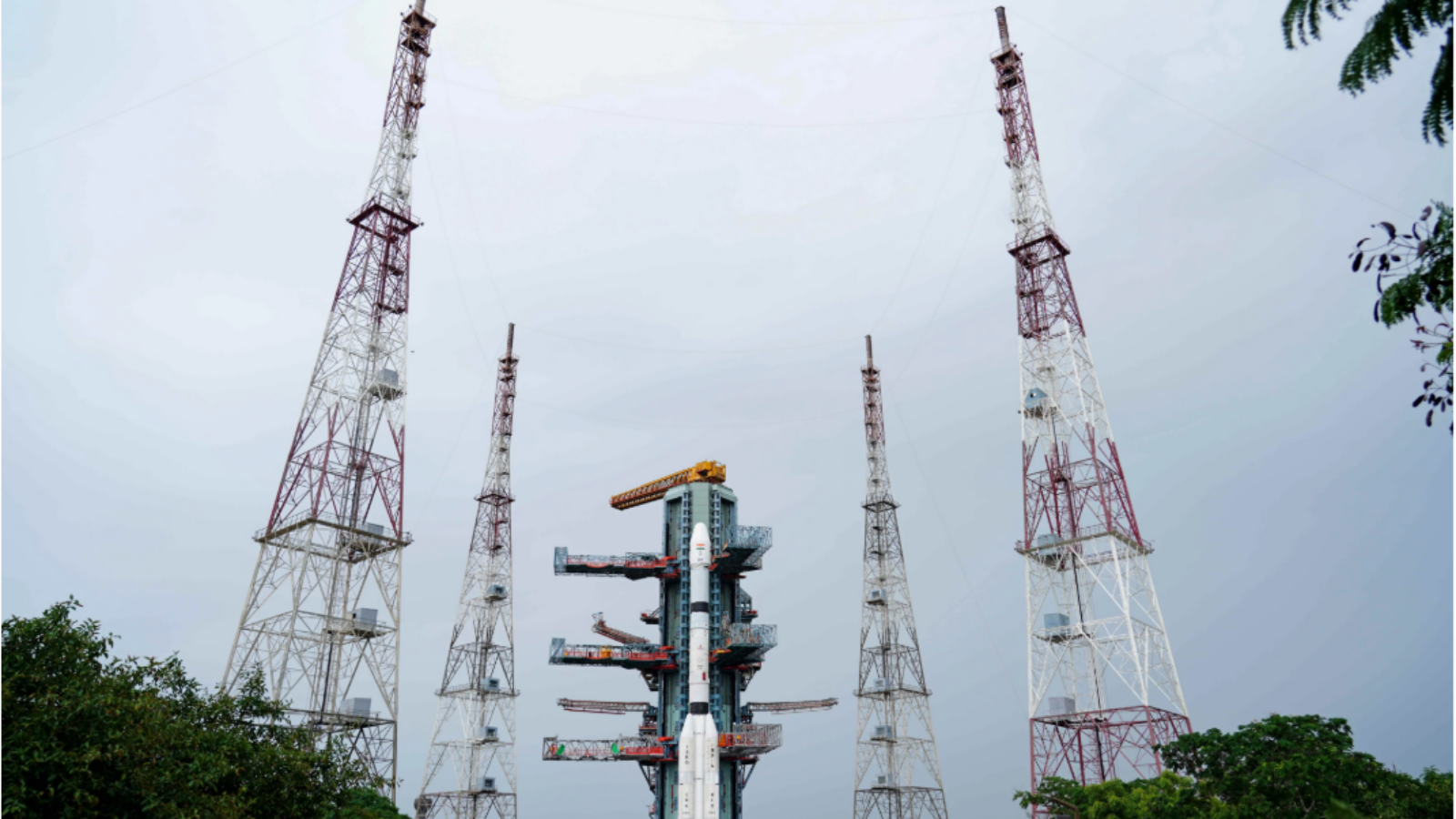
ISRO’s GSLV-F18 lifted NVS-03 from Satish Dhawan Space Centre after a 24-hour countdown, at 11.51 pm from the second pad. The 50-metre rocket placed the 2,232 kg satellite into geosynchronous transfer orbit. ISRO said NVS-03 is the third next-generation satellite for IRNSS continuity, with indigenous and procured atomic clocks and L1 plus L5/S signals over India and 1500 km beyond.
Prism
What It Means For You
- Smartphones and receivers using NavIC L1 may gain signal access once NVS-03 reaches its operational slot after orbit raising.
- Drivers and pilots relying on regional GPS alternatives would depend on continued launches after NVS-03 enters service.
- Coverage extending 1500 km beyond India affects navigation for border and maritime users in the primary service area.
What's Happening
- The three-stage rocket had a lift-off mass of 420 tonne according to ISRO’s pre-launch brief cited by The Indian Express.
- NVS-03 follows earlier next-generation satellites meant to replace ageing IRNSS spacecraft.
- Launch occurred from the second launch pad at Sriharikota spaceport.
Three-stage GSLV lift-off mass
- IRNSS was India’s first-generation regional navigation constellation.
- Atomic clocks onboard provide timing needed for precise positioning signals.
- ISRO listed both indigenous and procured clocks on the spacecraft.
all-news