India
Archived — This article has been archived. The information may be outdated.
BHU Opens 22 Boxes From 1957 Dig
The Indian Express··24 Aug
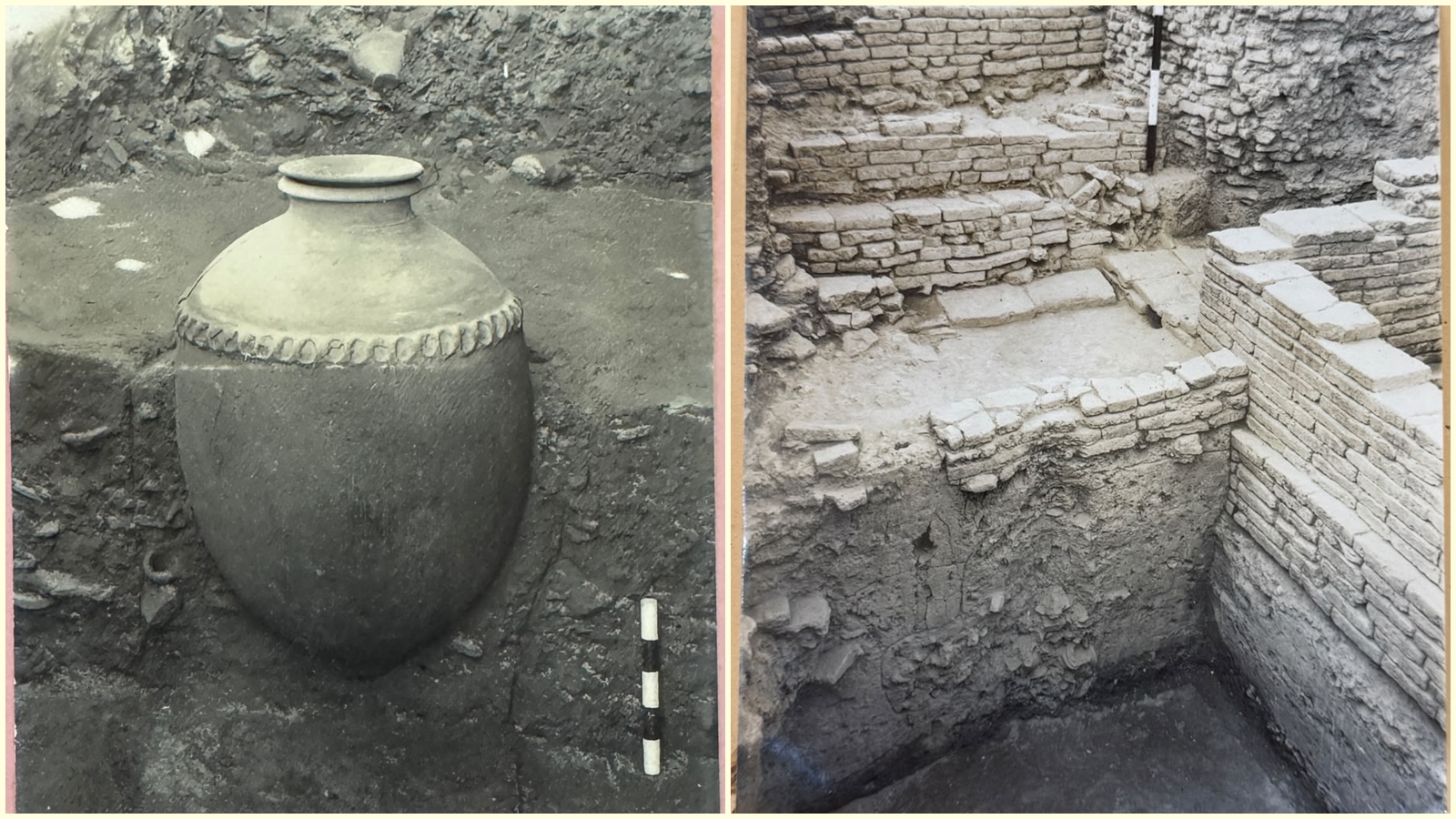
Banaras Hindu University opened 22 boxes containing material from the 1957 excavation at Rajghat that had remained sealed for nearly 70 years. The boxes held more than 10,000 artefacts, including painted black pottery believed to be nearly 3,000 years old, along with thousands of photographs documenting archaeological sites and sculptures across India. The find was catalogued on August 20.
Prism
What It Means For You
- History enthusiasts and researchers gain access to a large trove of artefacts that sheds light on ancient Varanasi.
- The find highlights how institutional archives can preserve important historical material for decades before being properly examined.
- Students of archaeology in Varanasi may benefit from new research opportunities tied to the newly opened collection.
What's Happening
- BHU opened 22 boxes from the 1957 Rajghat excavation that had remained sealed for nearly 70 years.
- The boxes held more than 10,000 artefacts, including painted black pottery estimated at nearly 3,000 years old.
- Thousands of photographs documenting archaeological sites and sculptures across India were also found inside.
Why the Rajghat Site Matters to Varanasi's Past
- The Rajghat excavation was BHU's first major archaeological project, begun in 1957 and continued through the 1960s.
- Researchers separately opened a wooden box from the same dig containing a human skeleton for DNA analysis this year.
- The excavation confirmed nearly three millennia of continuous human habitation at the ancient site.
all-news