Lifestyle
Archived — This article has been archived. The information may be outdated.
FSSAI flags hing samples below 5% extract
The Indian Express··7 Sept
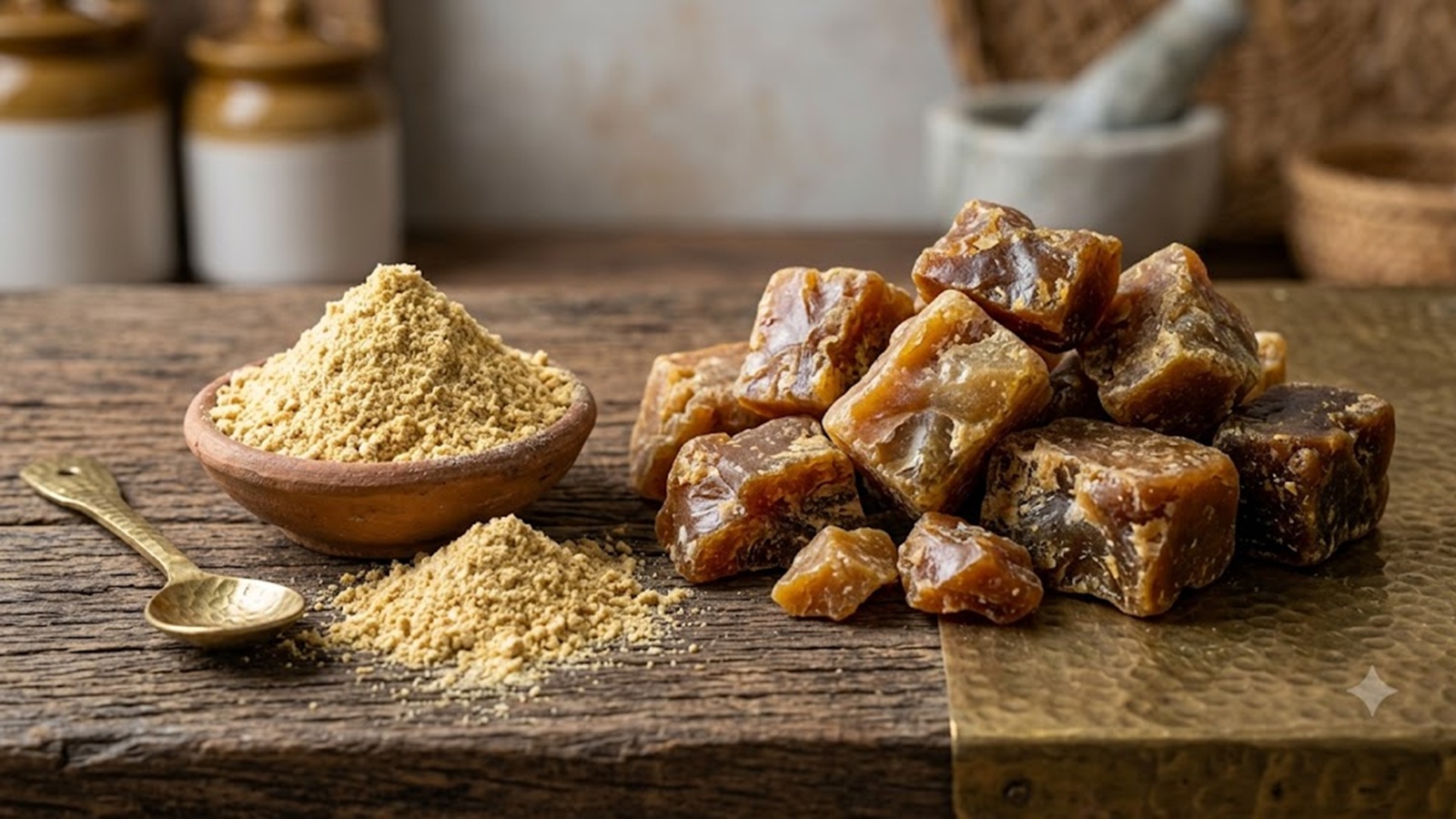
FSSAI issued prohibition orders against major brands over substandard and misbranded compounded hing powder. Laboratory tests found alcohol-soluble extract levels of 0 to 4.4 percent in some samples, below the 5 percent legal minimum. Raw hing samples also showed 15 to 32 percent starch, above the 1 percent permitted limit, the Press Information Bureau noted.
Prism
What It Means For You
- Compounded hing on sale may fail FSSAI extract and starch limits named in the orders.
- Labels may list cereal flour in compounded hing, relevant for celiac disease or wheat allergy.
- FSSAI standards recognise gum arabic, edible starches or cereal flour in compounded asafoetida.
What's Happening
- The regulator acted after lab tests confirmed extract levels as low as 0 percent in some powders.
- PIB reported raw hing starch at 15 to 32 percent versus a 1 percent cap.
- Dietitian Garima Goyal said FSSAI distinguishes pure asafoetida from compounded blends.
What Hing Actually Is
- Asafoetida starts as an oleo-gum-resin from Ferula plant roots and rhizomes.
- Raw hing is diluted with starch or flour to make everyday compounded powder.
- India commonly refers to Pathani and Irani hing from traditional source regions including Afghanistan and Iran.
all-news