Politics
Archived — This article has been archived. The information may be outdated.
Court scrutiny grows over police and ministry coordination
The Hindu··29 Jul
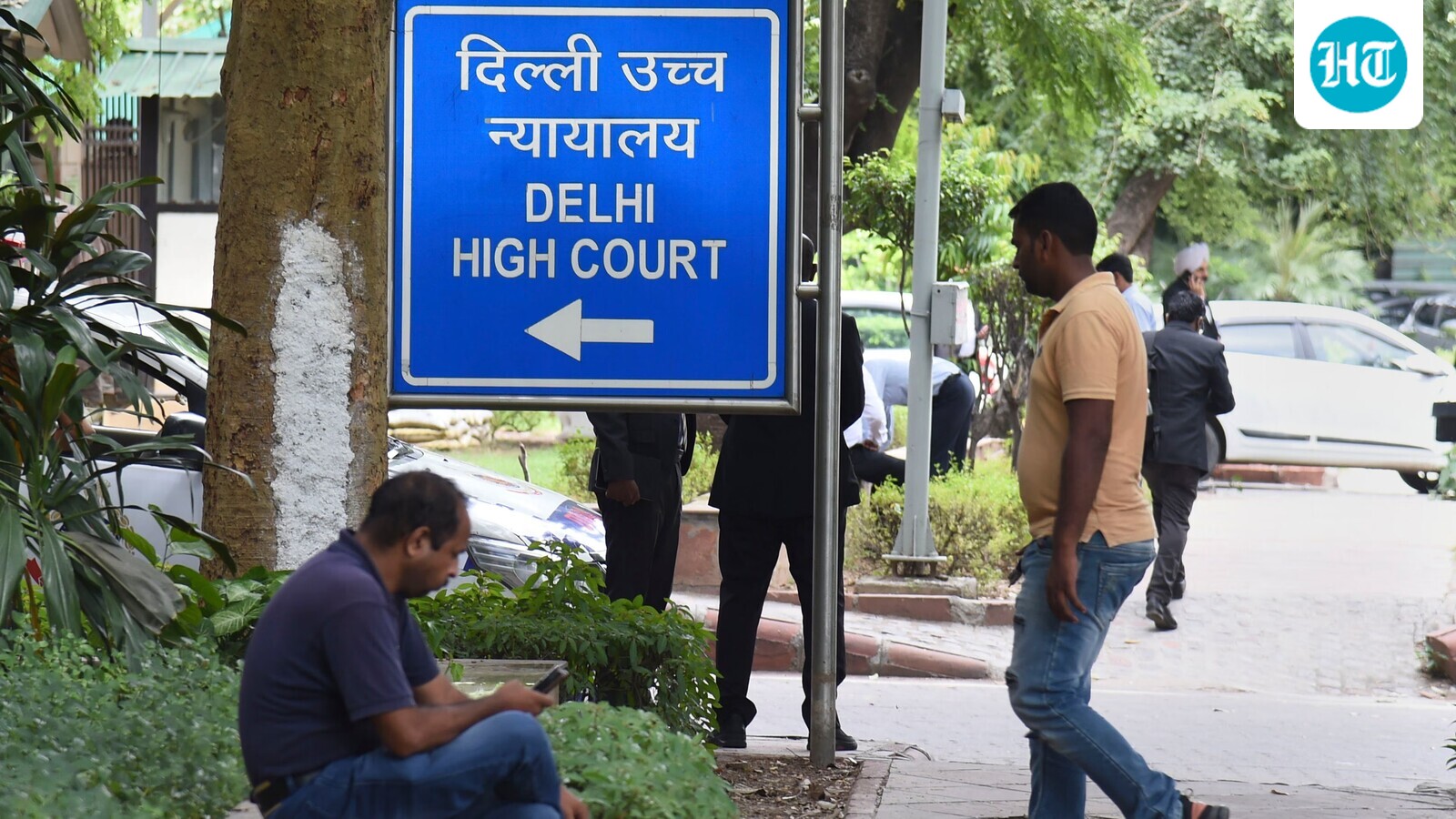
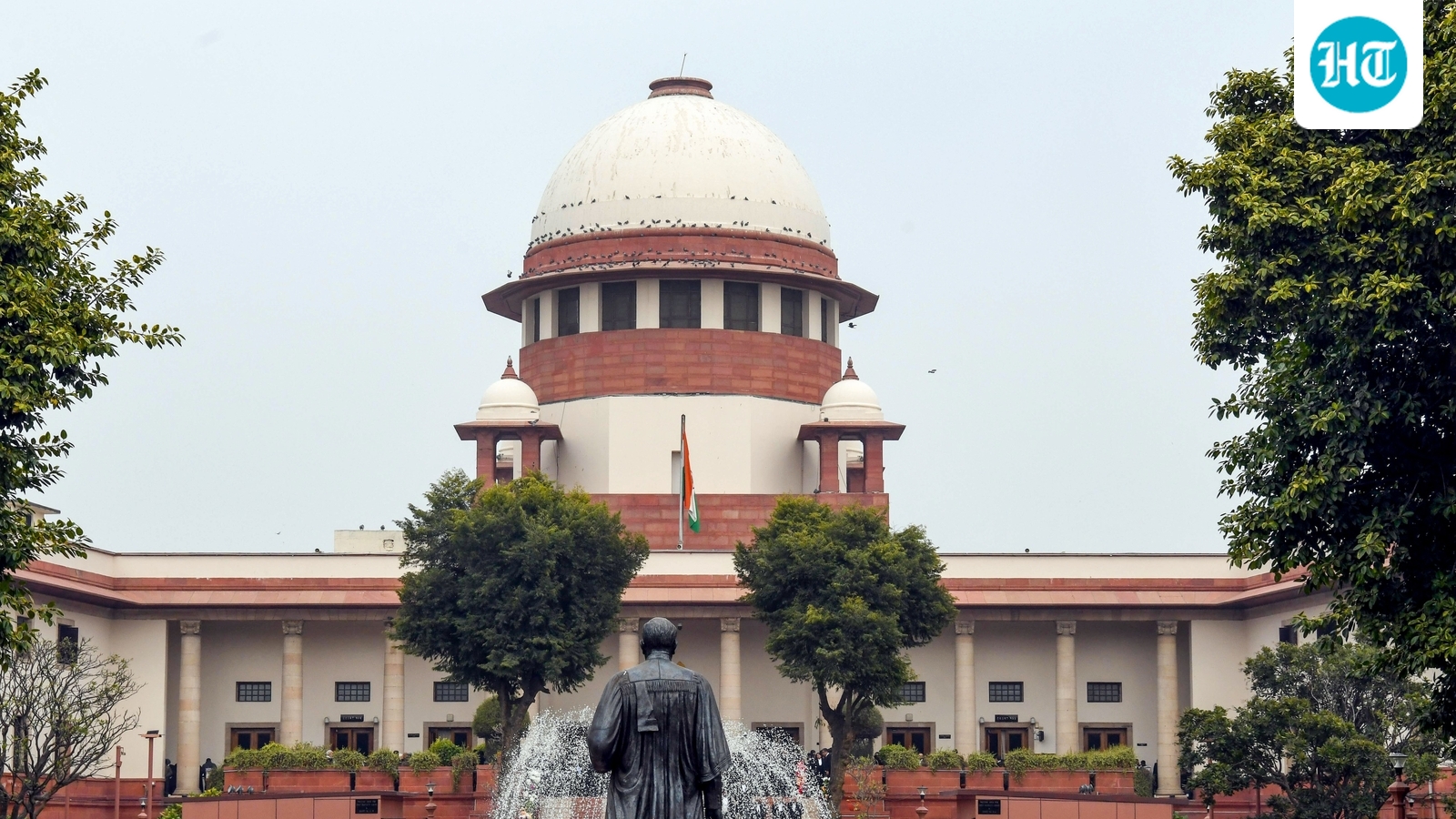
The Supreme Court has yet to receive details on whether Delhi Police kept the Ministry of Home Affairs informed as violence unfolded during NEET-UG protests in the capital on July 20. A 2012 judgment in the Ramlila Maidan case had noted that Delhi Police typically keeps the ministry informed as a matter of practice during such situations.
Prism
What It Means For You
- Delhi residents get insight into how much oversight the Home Ministry exercises over Delhi Police decisions affecting public protests.
- Anyone following the NEET-UG protest violence case gains context on what evidence the Supreme Court is weighing before ruling.
- Citizens concerned about police accountability get a legal framework for how courts have historically viewed political interference in policing.
What's Happening
- The Supreme Court has yet to detail whether Delhi Police kept the Ministry of Home Affairs informed during the July 20 NEET-UG protest violence.
- A 2012 Supreme Court judgment noted Delhi Police typically keeps the Home Ministry informed as a matter of practice during such situations.
- One petition before the court claims the police action against peaceful protesters was comparable to the Jallianwala Bagh incident.
A 2006 Warning About Political Policing
- A 2006 Supreme Court judgment in the Prakash Singh case had warned against excessive political executive control over police functioning.
- That judgment cited a 1997 Home Minister's letter acknowledging that unhealthy political interference had contributed to deficiencies in police functioning.
- The Leader of the Opposition has reportedly asked in a letter whether the Home Minister authorised use of lethal force.
all-newseditors-picks