Environment
Archived — This article has been archived. The information may be outdated.
Glaw Lake becomes Arunachal's first Ramsar wetland site
Telegraph India··4 Aug
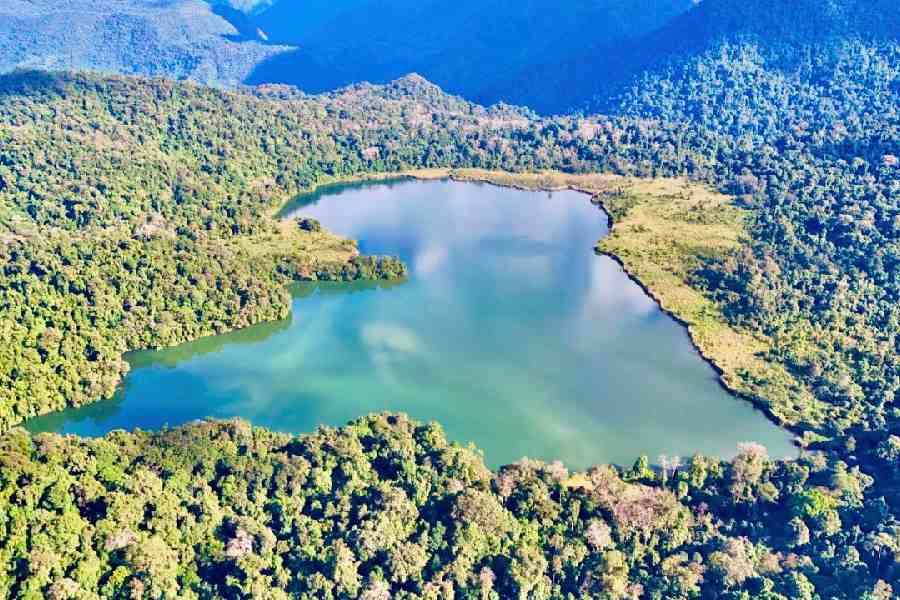
Union environment minister Bhupender Yadav announced that Glaw Lake in Arunachal Pradesh's Lohit district has been designated India's 101st Ramsar site, the state's first. The high altitude freshwater lake sits inside the Kamlang Tiger Reserve and hosts over 150 tree species and 49 orchid species. Chief Minister Pema Khandu called the recognition a milestone for the state's conservation history.
Prism
What It Means For You
- Travelers and nature enthusiasts gain a new internationally recognised wetland destination to explore responsibly in the Eastern Himalayas.
- Residents of Lohit district may see new livelihood opportunities through eco-tourism and conservation-linked projects in the coming years.
- Anyone interested in India's biodiversity gains a fresh case study in how tiger reserves and wetlands can be protected together.
What's Happening
- Union environment minister Bhupender Yadav declared Glaw Lake India's 101st Ramsar site and Arunachal Pradesh's first.
- The lake sits inside the Kamlang Tiger Reserve and hosts over 150 tree species and 49 orchid species.
- Chief Minister Pema Khandu thanked the Centre and called the designation a milestone in the state's conservation history.
How Ramsar Status Changes What Happens Next
- The Ramsar Convention, signed in Iran in 1971, is a global treaty for wetland conservation administered under UNESCO oversight.
- Ramsar recognition brings dedicated management plans, stricter legal protections and international technical guidance for the site.
- India now has 101 Ramsar sites, and the tag can unlock research funding and cooperation with global wetland networks.
all-news