Politics
Archived — This article has been archived. The information may be outdated.
Border-state collectors to decide CAA citizenship applications
Times of India··21 Aug
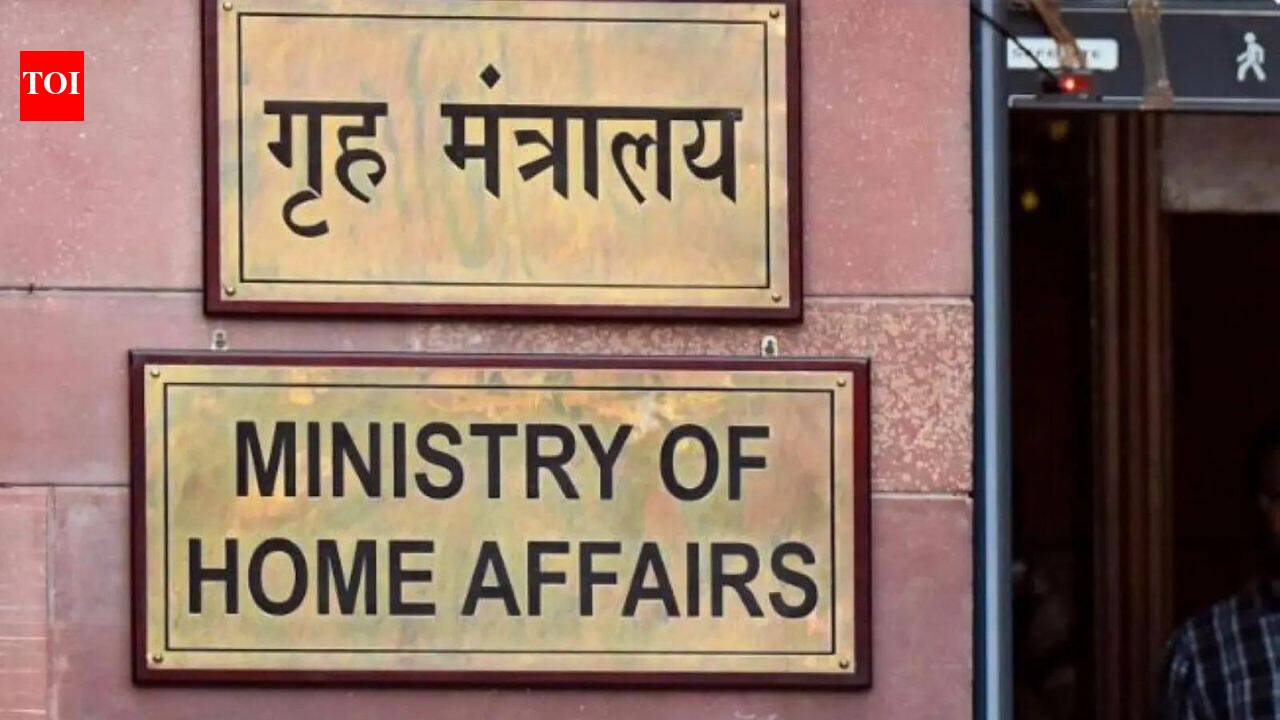
On 19 August 2026 the Union Home Ministry notified the Citizenship Third Amendment Rules, naming district collectors in Gujarat, Rajasthan, Punjab, West Bengal, Assam except tribal areas, Tripura except tribal areas, Jammu and Kashmir and Ladakh as the competent authority for Citizenship Amendment Act applications. Collectors will receive, scrutinise and dispose of requests for registration or naturalisation under Section 6B.
Prism
What It Means For You
- If you have a CAA file pending in Gujarat, Rajasthan, Punjab, Bengal, Assam, Tripura, Jammu and Kashmir or Ladakh, it is supposed to move from the old committee to the district collector.
- Anyone applying now submits electronically to the collector and should receive Form IX as acknowledgement, which is not itself a grant of citizenship.
- If you live in a Sixth Schedule tribal area of Assam or Tripura, these collector powers are expressly excluded.
What's Happening
- The Home Ministry said collectors can grant citizenship if they find the applicant a fit and proper person under Section 6B.
- Sources cited slow empowered committees as the reason for shifting the power.
- CAA covers Hindu, Sikh, Buddhist, Jain, Parsi and Christian migrants from Pakistan, Bangladesh and Afghanistan who meet the Act's cut-off and other conditions.
What A Collector Must Check Before A CAA Grant
- Section 6B of the Citizenship Act, inserted by the 2019 amendment, is the route for the listed religious minorities from the three countries.
- The oath of allegiance is in the Second Schedule. Skipping the personal appearance after notice is a stated ground for rejection.
- Empowered committees mixed central agencies at district level. Putting the collector in charge concentrates the decision in one office that already runs the district.
all-newstop-storiestrending-now