Politics
Archived — This article has been archived. The information may be outdated.
Supreme Court pushes for standalone digital arrest law
Hindustan Times··29 Jul
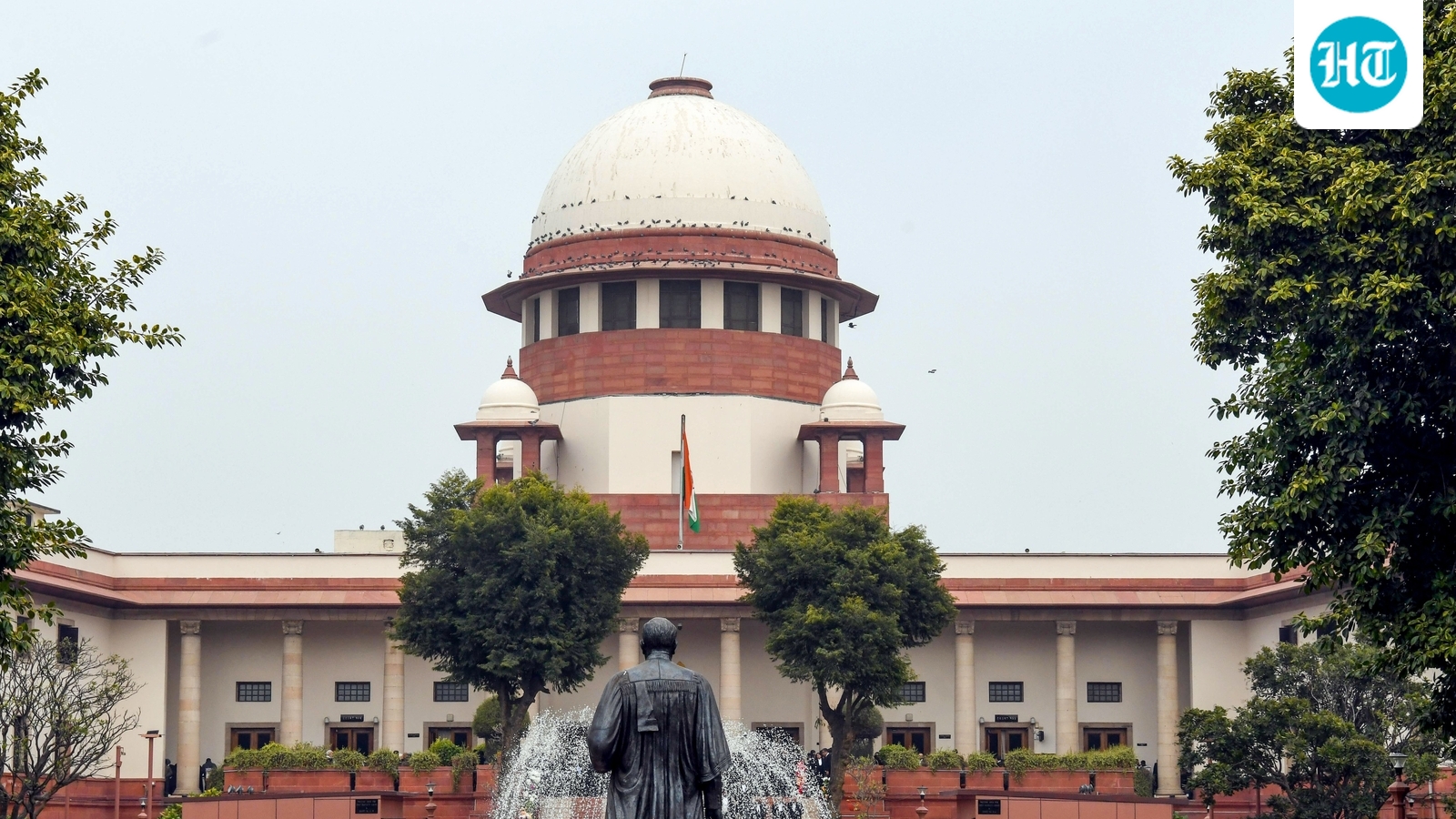
The Supreme Court suggested the Centre formally define digital arrest as a standalone criminal offence with stricter punishment, during suo motu proceedings on cyber enabled financial fraud. Chief Justice Surya Kant said existing laws may not adequately address evolving crimes like digital arrests and deepfakes. Solicitor General Tushar Mehta said a draft bill covering both issues is being prepared.
Prism
What It Means For You
- Anyone receiving a video call from someone claiming to be police or a judicial officer should know digital arrest is not a real legal procedure.
- A dedicated law could mean tougher punishment and asset freezes for scammers, offering more deterrence for citizens targeted by such calls.
- Elderly citizens and their families, who are frequently targeted by these scams, gain a clearer legal basis for reporting and recovery.
What's Happening
- The Supreme Court asked the Centre to consider formally defining digital arrest as a standalone criminal offence with stricter punishment.
- Attorney General R Venkataramani said existing penal laws already cover elements of the offence, but the court suggested a dedicated provision may help.
- Solicitor General Tushar Mehta told the court a draft bill covering digital arrests and deepfakes is already being prepared.
Over Two Lakh Complaints And Counting
- Home Ministry records submitted in April showed over 2.41 lakh complaints related to digital arrest scams alone.
- The Supreme Court took suo motu cognisance of the issue in January after an elderly couple lost Rs 1.5 crore to fraudsters using forged court orders.
- The court also suggested that assets of accused persons could be frozen once a prima facie case is established through reasoned evidence.
all-newstrending-nowtop-stories