PoliticsBreaking
Archived — This article has been archived. The information may be outdated.
Probate revocation governed by Article 137
LiveLaw··12 Jun
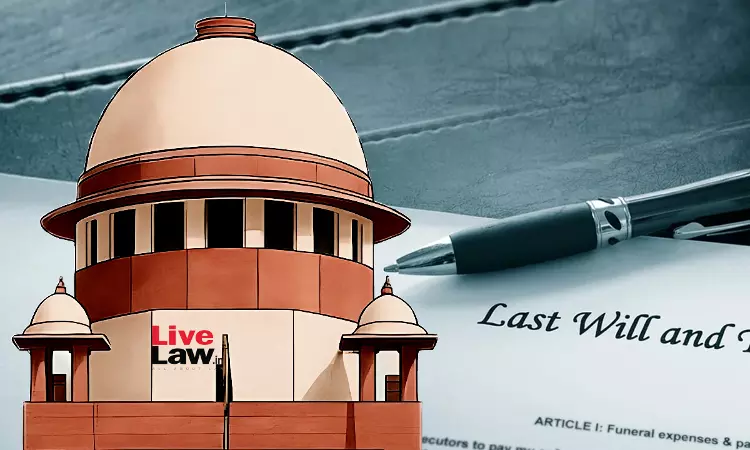
LiveLaw reported that the Supreme Court held revocation of probate applications are governed by Article 137 of the Limitation Act because the Indian Succession Act does not prescribe a limitation period. Article 137 provides a three-year limitation period for applications without a specific statutory period.
Prism
What It Means For You
- Inheritance and property disputes can be lost on limitation even if parties later raise substantive objections.
- Ignoring legal notices can weaken future claims because courts may treat them as constructive notice.
- The ruling encourages timely action when probate-linked property changes appear in revenue records.
What's Happening
- The Supreme Court applied Article 137 of the Limitation Act to probate revocation.
- It restored the single judge's finding that the revocation application was time-barred.
- The case involved a probate granted in 1995 and a revocation application filed in 2022.
Probate Basics
- Probate is court recognition of a will and the executor's authority.
- The Indian Succession Act allows revocation but does not set a specific limitation period.
- Article 137 fills that gap with a three-year period for applications.
all-newstop-stories