Politics
Archived — This article has been archived. The information may be outdated.
Supreme Court acquits two staffers in Rs 20 bribe case
NDTV··20 Aug
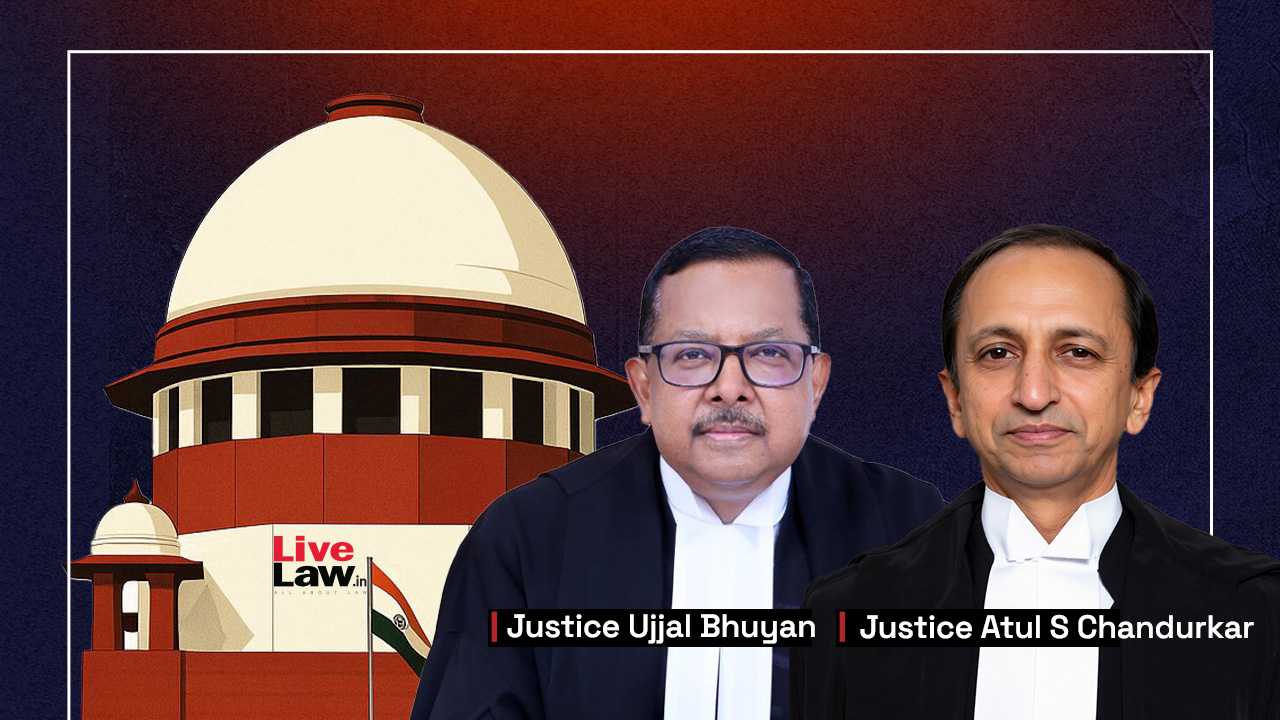
On 19 August 2026, the Supreme Court acquitted a Gujarat talati-cum-mantri and a peon in a 1996 bribery case over an alleged Rs 20 payment. Justices Ujjal Bhuyan and Atul S Chandurkar set aside the 1999 trial conviction and the 2015 High Court affirmation. The student complainant had sought an income certificate at Bechri Gram Panchayat in Anand for concessions.
Prism
What It Means For You
- If you are a village official named in an old trap case, this ruling says recovery of a marked note is not enough if the first demand is not proved beyond reasonable doubt.
- Anyone whose 1990s corruption appeal is still open can note the court also struck down the talati's prosecution because the sanctioning officer lacked authority.
- If you need an income certificate today, the 1996 facts started with a student at Bechri Gram Panchayat seeking the paper for education concessions.
What's Happening
- The trial court convicted both men in 1999 under Sections 7 and 13(1)(d) of the Prevention of Corruption Act; the High Court upheld that in 2015.
- The Supreme Court cancelled their bail bonds after acquitting them of offences under Sections 7, 12 and 13(1)(d).
- The companion appeal is Sirajbhai Rasulbhai Vora versus State of Gujarat, criminal appeals 1177 and 1183 of 2015.
Why Demand Must Be Proved Before The Presumption
- Section 20 of the Prevention of Corruption Act lets a court presume that money recovered from a public servant was taken as a motive or reward, but only after the prosecution first proves the demand.
- The Bench relied on N Vijayakumar versus State of Tamil Nadu to hold that a tainted note plus public-servant status cannot by itself complete the charge.
- The alleged demand was Rs 100 for the talati and Rs 20 for the peon for issuing the income certificate after the mamlatdar forwarded the application.
all-newseditors-picks